

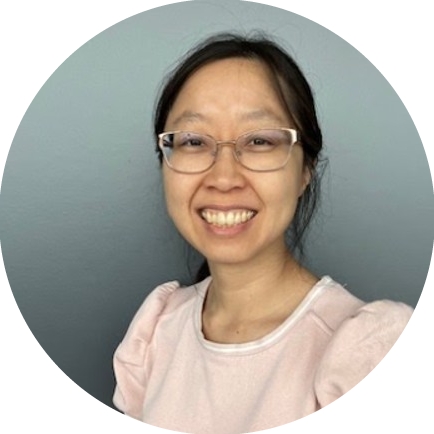
"We want Northern Territory patients to be counted."
Dr Teesha Downton
For some of Dr Teesha Downton’s patients, getting to brain cancer treatment means getting on a plane.
They fly into Darwin from remote Aboriginal communities across the Top End, usually with a close family member beside them as an escort. It’s a big trip, and for many it’s a long way from home.
“Being away from home and from family and cultural support does impact patient wellbeing,” Teesha says.
Teesha is a medical oncologist at the Alan Walker Cancer Care Centre at Royal Darwin Hospital, and at Darwin Private Hospital, and a member of Brain Cancer Australia’s National Consortium.
“In Darwin, we currently have four oncologists on the ground,” Teesha says. Between them they cover many different cancers, and she chose to focus on neuro-oncology.
“While it’s not a particularly common cancer, it’s unfortunately a cancer that can have particular impact on one’s independence, cognition, and quality of life.”
Teesha became more involved with Brain Cancer Australia when Founder and Director Robyn Leonard OAM and Professor Lindy Jeffree, Chair of the National Consortium Steering Committee, approached her about the Australian Brain Cancer Registry.
“They were keen to involve the Northern Territory, and someone local who knows a bit about the lay of the land.”
“There are an estimated 10 brain cancer diagnoses per year in the Northern Territory, so not huge,” Teesha says. “But we want those patients to be counted.”
Registries require work from clinicians who are already stretched. “It does take time and effort, and unfortunately we’re very time poor. Current clinical work always takes precedence.”
“One of the things Brain Cancer Australia is trying to do with the Registry is to have data collection more automated, to reduce my workload and other clinicians’ workload, and to make the registry a sustainable resource that we can learn from.”
“If we can identify where deficits are and where we can improve, then we can put in targeted strategies for that. It can also provide evidence for more funding.”
For a clinician in a small team, the national network matters too.
“It helps, particularly for rare cancers, to have professional connections. I can reach out to a colleague interstate for further advice and opinion. “
Read more about Teesha’s impact in brain cancer care in the Top End.

