

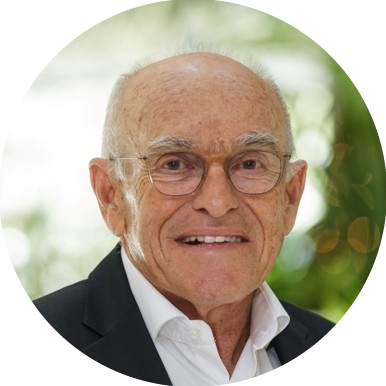
"We’re on the cusp of a revolution in brain cancer. I'm absolutely convinced of that. We just need the investment”.
Professor Michael Besser AM
Professor Michael Besser AM is taking on an Ironman at 80 to support brain cancer research
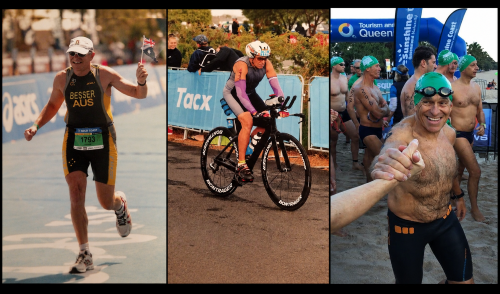
Most people don't celebrate their 80th birthday with a 1.9km swim, a 90km bike ride and a 21km run.
But Professor Michael Besser – who will take on the Mooloolaba Ironman 70.3 this September – has a special reason to mark his milestone birthday by crossing the finish line.
Michael is raising money for Brain Cancer Australia in honour of his friend and colleague, Professor Richard Scolyer, who died from brain cancer in June.
Michael – a retired neurosurgeon and the chair of the Brain Cancer Australia Charity – first met Richard in the 1990s when he was training at Royal Prince Alfred Hospital.
"He was very good at what he did. Thoughtful, humble and quietly determined," Michael recalls.
Richard went on to become a world-leading pathologist, helping to transform melanoma treatment and improve outcomes for patients around the world.
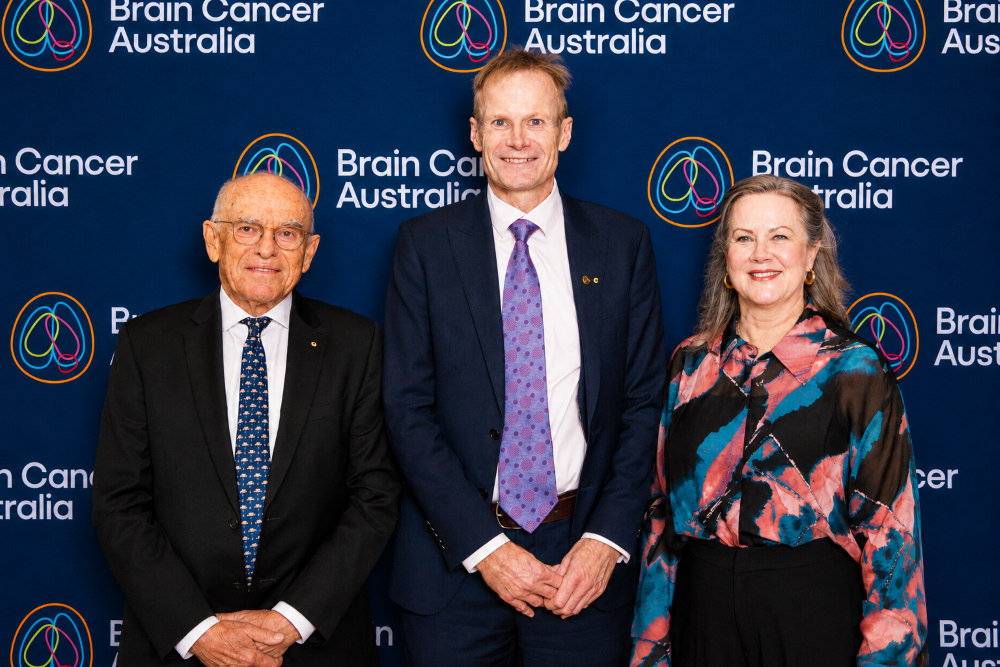
When Michael learned of Richard's brain cancer diagnosis in 2023, he was devastated.
"After everything he had done for melanoma, I just thought it was so unfair.”‘
Throughout his brain cancer journey, Richard continued to advocate for more research and participate in endurance events when he was well enough.
"He's always had a passion for triathlon and sport. Despite his diagnosis and treatment, he continued to push on and participate. That’s what inspired me to sign up for the ironman this year. It’s taken on an extra meaning now that he’s gone," Michael says.
Michael has represented Australia in triathlon, including 10 ironman events, culminating in the World Triathlon Ironman Championship in Kona Hawaii at the age of 72 years.
But this event will be his toughest yet.
“I’ve slowed down a lot in the last couple of years and my biggest concern will be finishing it within the eight-hour time limit. But as Richard said in his open letter published after his death, he hoped to be remembered as someone who 'gave it a crack'. That's exactly what I'm planning to do.”
The tragedy of brain cancer
Michael, who was awarded an Order of Australia (AM) in 2001 for services to neurosurgery, has had a career spanning more than 40 years. During this time, he saw extraordinary advances in many areas of medicine.
He also saw how little progress was made for people diagnosed with brain cancer.
"Towards the end of my clinical career, I'd see patients with other diseases who previously were doomed and now they were surviving," he says.
"Yet every time a patient with brain cancer walked into my office, my heart would sink because I knew it was going to take their life."
One of those patients was Lucie Leonard, the daughter of Brain Cancer Australia Founder and Director, Robyn Leonard.
Michael treated Lucie before her death from brain cancer in 2012.
“I am usually somewhat reserved in my dealing with patients but Lucie was charismatic with an endearing quality and I became quite captured by her. She would always give me a big hug and sharing those joyful moments with her and Robyn was special. Despite the anguished and tragic outcome, those bright moments will always remain.”
Lucie's death inspired Robyn to establish Brain Cancer Australia to tackle the systemic barriers holding back progress in brain cancer research. Michael has been part of the organisation since its inception in 2015, serving first as Chair of the National Consortium Steering Committee, and then Chair of the Brain Cancer Australia Charity.
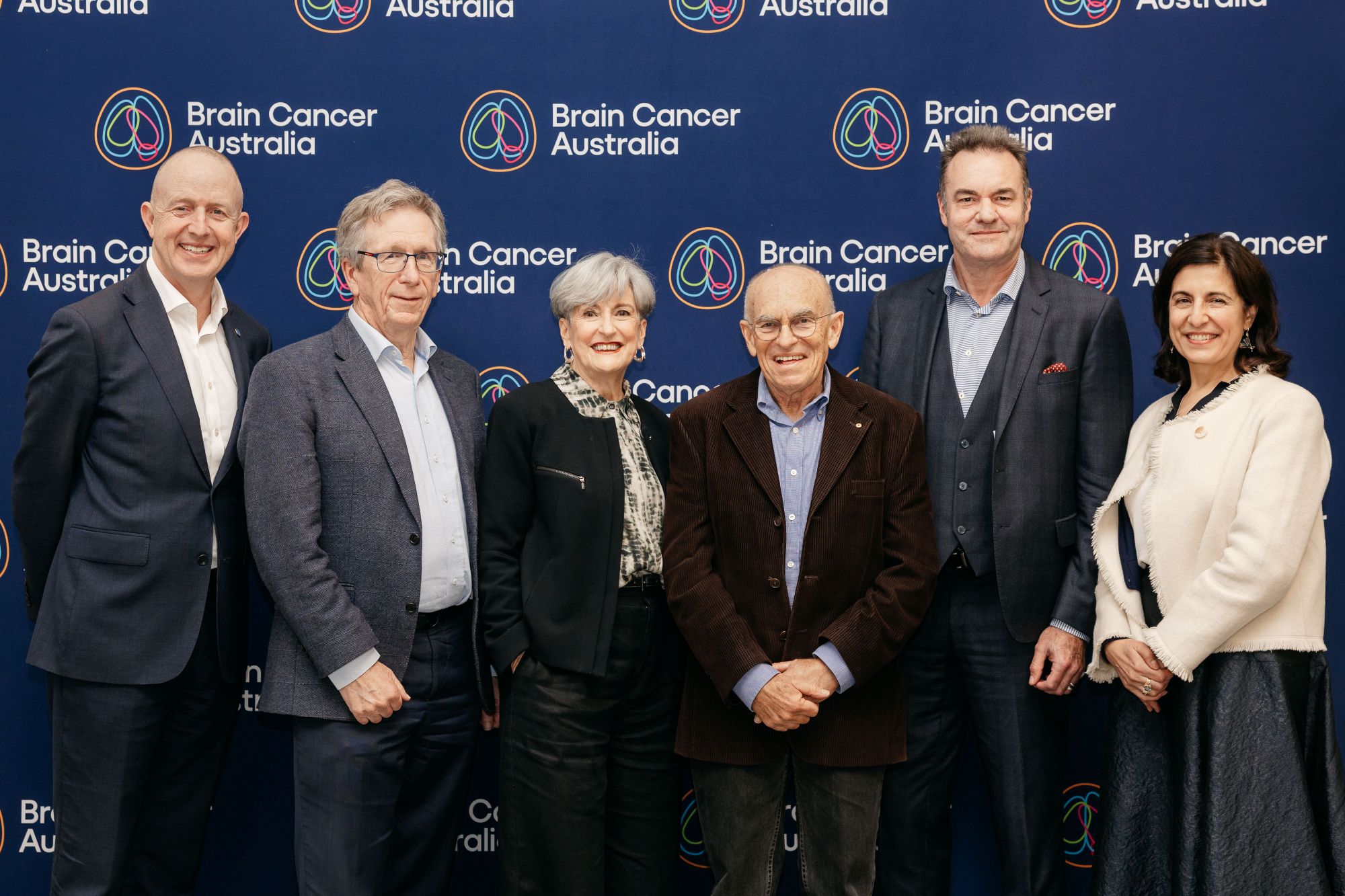
On the cusp of a revolution
Despite the challenges in brain cancer, Michael is optimistic about the future.
He points to the progress made in melanoma as evidence of what is possible.
"When I heard Richard explain what changed melanoma, he spoke about the infrastructure that supported research – systems that enabled patients to enrol in clinical trials, access to tissue samples, and data that informed both research and patient care," he says.
"I remember thinking, that's exactly what we're building at Brain Cancer Australia."
Michael believes investment in this kind of infrastructure is critical and is confident that better outcomes are achievable.
"We’re on the cusp of a revolution in brain cancer. I'm absolutely convinced of that. We just need the investment,” he says.

