

"Everyone should have the same access to best practice care."
Alex Dunn
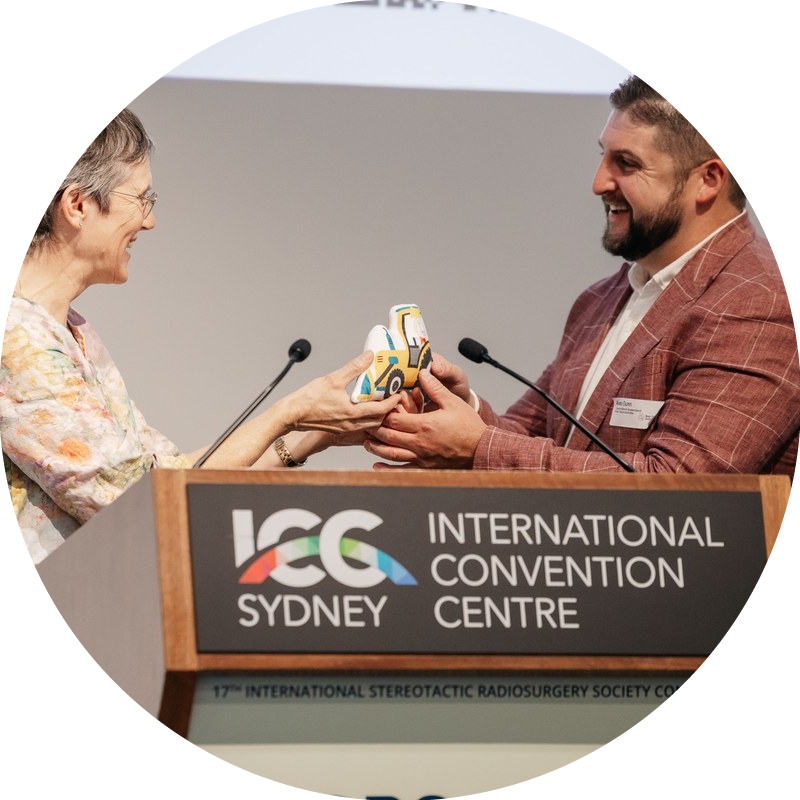
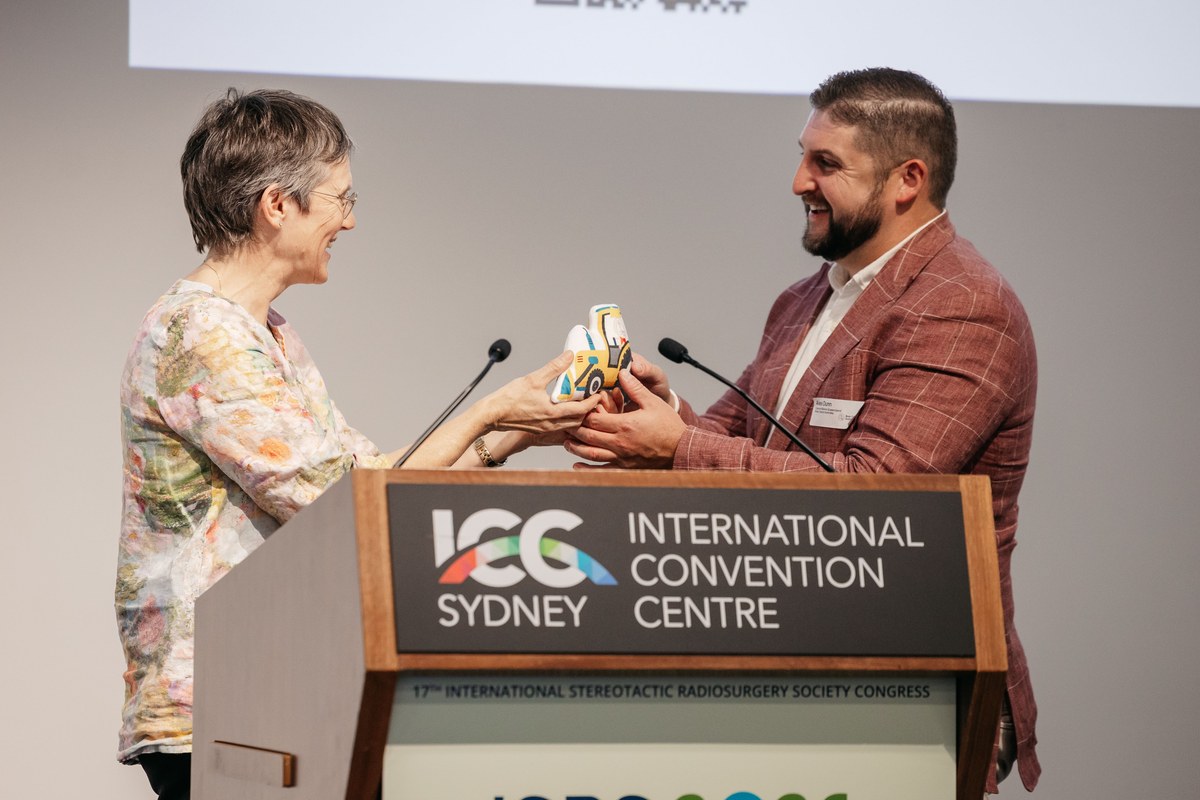
Earlier this year, when brain cancer researchers, clinicians and consumer representatives from across Australia met in Sydney, Brain Cancer Australia National Consortium Chair Professor Lindy Jeffree presented Alex Dunn with a toy bulldozer.
It was her thank you to a “gentle bulldozer”. Alex is Project Manager for the Australian Brain Cancer Registry (ABCR), and since he joined us in 2025 he has been patiently working to bring brain cancer data from across the country into one place.
The Registry will hold clinical quality data on treatment and outcomes across the entire brain cancer patient journey from diagnosis to end of life.
That matters because brain cancer treatment and care can differ depending on where a person is being treated. Until now, no one has been able to see those differences clearly, or what they mean for survival. The Registry changes that, so hospitals and clinicians can see how their care measures up against best practice, and where it can improve.
The Registry started in Queensland. Its first report, published in October 2025, covered people diagnosed there between 2014 and 2023.
Data from New South Wales will be included in the next report, and work is under way to extend the Registry across Australia and continue updating the data reports.
That’s where Alex’s patience comes in.
Registries have traditionally relied on staff going into hospitals to copy information from patient records by hand.
“It’s such a resource-intensive approach,” Alex says. “We knew we would never be able to do it that way.”
Instead, the Registry uses information that state and territory health systems already collect, from cancer registries, radiotherapy providers and hospitals. That data has to be linked and de-identified within each state before it reaches the Registry, and every state needs its own agreement to share it.
The Registry’s system is ready, so the work now is in those agreements. States and territories are at different stages, and Alex is clear that the people he works with are on board.
“A lot of these organisations in the states want to help us,” he says. “They’ve bought into the project and they can see the benefit.”
But the policies and laws that govern health data weren’t written with a national registry like this in mind, so each agreement means working carefully through new questions. When one path closes, Alex looks for another.
“When we bring the remaining states and territories on board, then we can have a truly national Australian Brain Cancer Registry,” Alex says, “and see that data used to drive quality improvement and better outcomes for all Australians.”
“Whether you’re urban or rural, whether you’re Indigenous or not, everyone should have the same access to best practice care,” he says. “That’s the goal, and that’s what the data will allow us to do.”
Alex is quick to say he isn’t doing it alone.
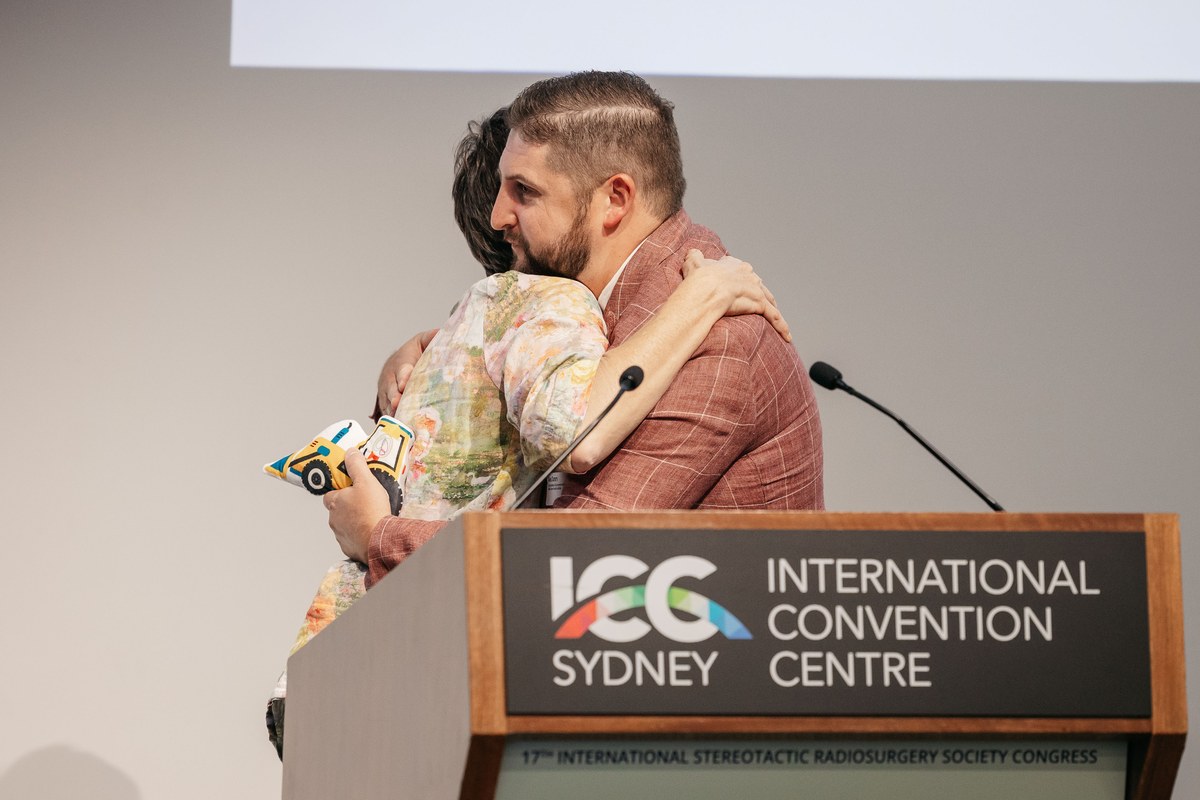
“We’re all doing this together,” he says. “We’re all gentle bulldozers in our own areas. It’s truly a team.”
That team is the Australian Brain Cancer Registry Operations Committee, including Professor Jeffree, Robyn Leonard OAM, our Founder and Director, Dr Mythily Sachchithananthan, Brain Cancer Australia Project Manager and Danica Cossio, Director, Cancer Alliance Queensland.
Thank you, Alex. And thank you to everyone in the states and territories working with us to make the Registry possible.
Find out more about the Australian Brain Cancer Registry here.
