

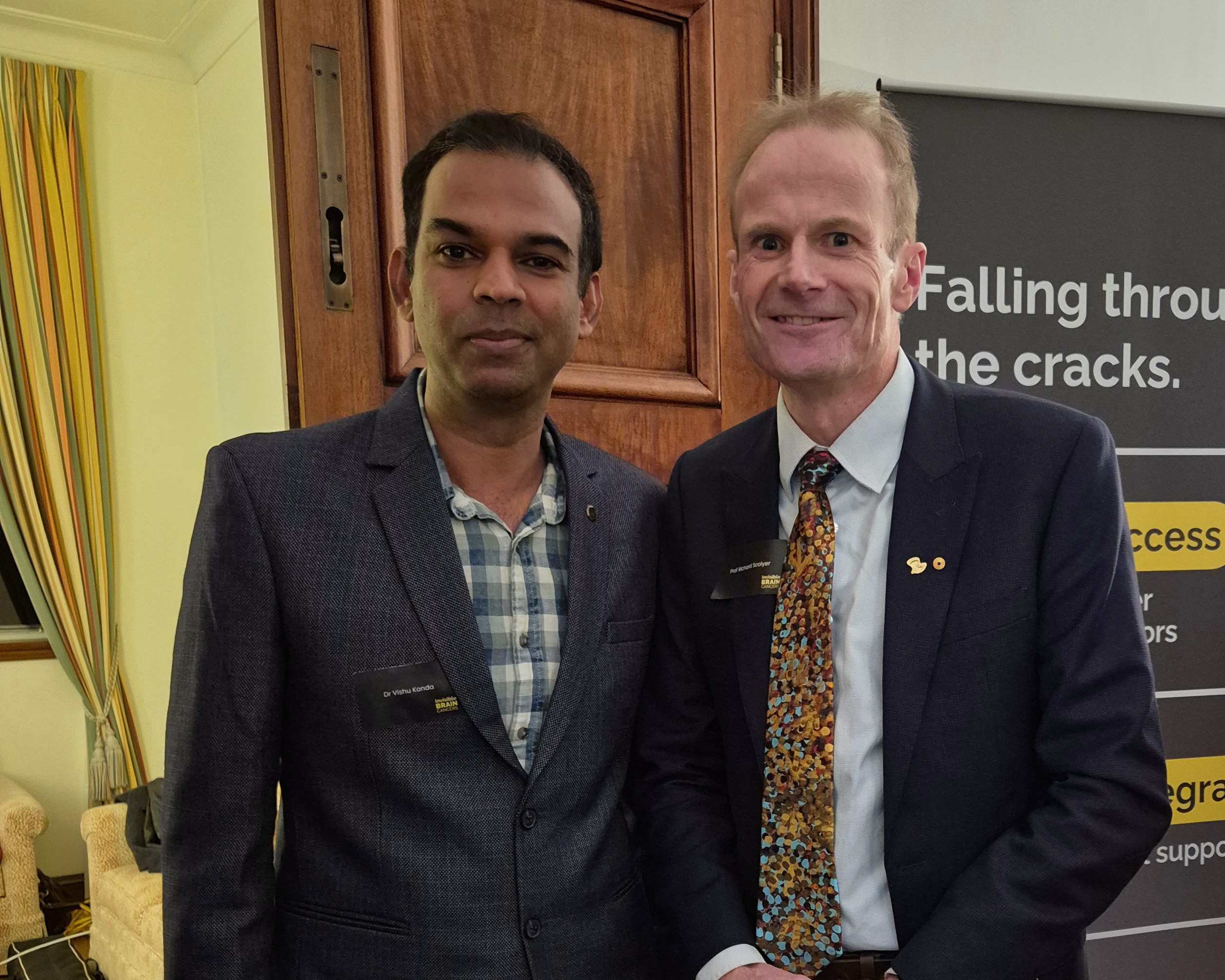
For Queensland GP and brain cancer patient Dr Vishu Konda, the announcement that vorasidenib will be listed on the Pharmaceutical Benefits Scheme (PBS) was life changing.
"I felt like I'd won the lottery," he said.
"It was as if someone had taken me off death row and said, 'You're free to go.'"
The PBS listing means eligible Australian brain cancer patients with low-grade IDH-mutant gliomas, including astrocytoma and oligodendroglioma, will be able to access the treatment for around $25 a month instead of approximately $28,000 a month.
Vorasidenib is the first new brain cancer drug in 20 years. It targets the underlying genetic mutation that drives tumour growth, helping to slow disease progression and postpone the need for radiation and chemotherapy for eligible patients.
For Vishu, the announcement removes a huge financial burden that had been looming as his two-year compassionate access program to the treatment drew to a close.
Vishu was diagnosed with an astrocytoma – a slow growing but incurable brain cancer – in 2024 after suffering a seizure just days after celebrating his daughter's second birthday. He is sharing his story to help more people understand the reality of living with brain cancer and why access to new treatments matters.
A seizure in the middle of the night
In June 2024, just days after celebrating his daughter's second birthday, Vishu and his wife stayed up late looking at photos of the party and appreciating how fortunate they were to be surrounded by friends and family.
A few hours later their good fortune changed.
Vishu’s wife woke up to find him having a major seizure.
The next thing Vishu remembers is being surrounded by paramedics. He was rushed to hospital and had a CT scan.
"One of my friends is a doctor and happened to be working in emergency that night. He came back after the scan and he looked so sad. I joked, ‘You look like you've found brain cancer.' He said, 'I'm really sorry, but it's looking like that.'"
The diagnosis was devastating. Vishu’s mind immediately turned to his family.
"I thought, this can't happen. I have my wife, I have a two-year-old daughter, and I have my parents. I can't die."
A month after the seizure, he underwent a nine-hour operation. Because the tumour was entwined with critical areas of the brain, surgeons could remove only around 20 per cent of it.
"I thought, this can't happen. I have my wife, I have a two-year-old daughter, and I have my parents. I can't die."
The hidden impact of brain cancer
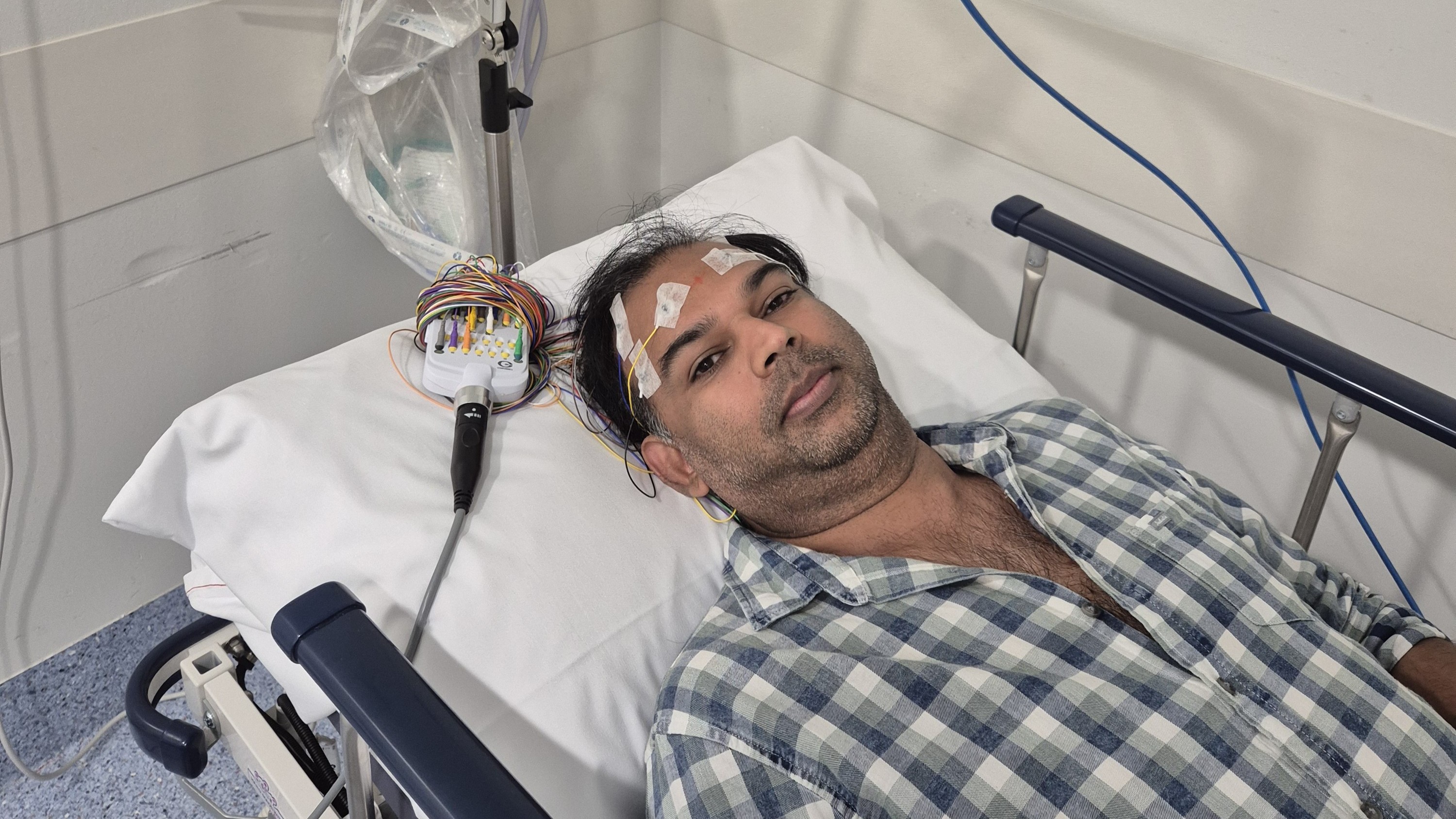
Physically, Vishu recovered well from surgery. Emotionally, the diagnosis was devastating.
"I became very depressed and anxious. I was having panic attacks two or three times a day."
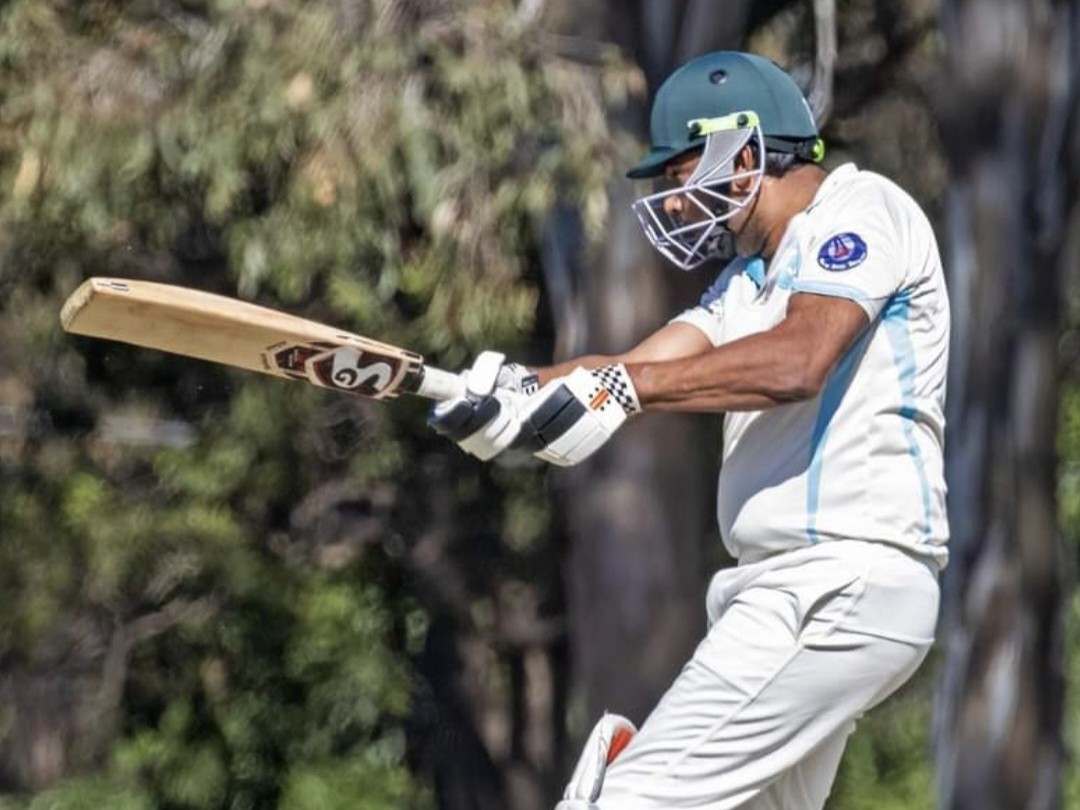
Once an active GP, cricketer and captain of his local cricket team, Vishu found himself isolated and struggling to recognise the person he had been before his diagnosis. He was unable to work and experienced fatigue and the emotional impacts of living with brain cancer.
"People see me and think I look okay," he says.
"But brain cancer affects everything. It affects your connection to your family, your friends, your work, and your future."
A glimmer of progress
While recovering from surgery, Vishu found out about a new brain cancer drug called vorasidenib.
Vorasidenib is designed for people with low-grade IDH-mutant gliomas (including astrocytoma and oligodendrogliomas). Clinical trials have shown that it delays tumour progression and postpones the need for radiation and chemotherapy.
"I hadn’t heard of it so as soon as I got home I started researching it and when I read about the clinical trial results, it was amazing. For the first time since my diagnosis, I felt a sense of hope," Vishu says.
Through a compassionate access program provided by Servier and the support of his medical team, Vishu was able to begin treatment.
But the program was only available for two years. As it drew closer to the end, he faced the possibility of losing access to the medicine that had given him hope.
The announcement that vorasidenib would be listed on the Pharmaceutical Benefits Scheme changed that, ensuring eligible Australians like Vishu can continue accessing the treatment at an affordable price.
Why research matters
As both a doctor and a patient, Vishu has been struck by how little progress has been made in brain cancer treatment,
"When I started researching after my diagnosis, I realised there hasn't been much progress for years and years. We need more research, more evidence and more breakthroughs," he says
"If sharing my story or taking part in research helps even a little, then it's worth it."

