At 40, Nicole Morgan was exactly where she hoped she’d be – a young mother, building a career as a pharmacist and preparing to buy a home in Coffs Harbour with her partner. Active, energetic and outdoors most days, Nicole was living a full life.
That changed the night she noticed a patch of numbness on her face. A precautionary CT scan showed a large mass on the right frontal lobe of her brain.
“Everything unravelled from that moment,” she says. “Life had been going so well – and then everything changed.”
Nicole sat awake in the regional hospital in Coffs, Googling 'brain cancer' and trying to understand what lay ahead. As a healthcare professional, she could read the concern on the doctor’s face when he came to speak to her. “I knew something was terribly wrong.”
What followed was a series of difficult moments – including comments that left her believing, for 18 hours, that she had glioblastoma, the most aggressive form of brain cancer with a prognosis of 12 to 18 months. “Language matters,” she says. “You don’t forget the words people use in those moments.”
Eventually, a specialist review brought a different diagnosis: IDH-mutant glioma – an incurable but slow-growing type of brain cancer.
“They say people who get this type of cancer are lucky and that it’s the ‘good type’ of brain cancer.
But as Nicole learned, there is no such thing.
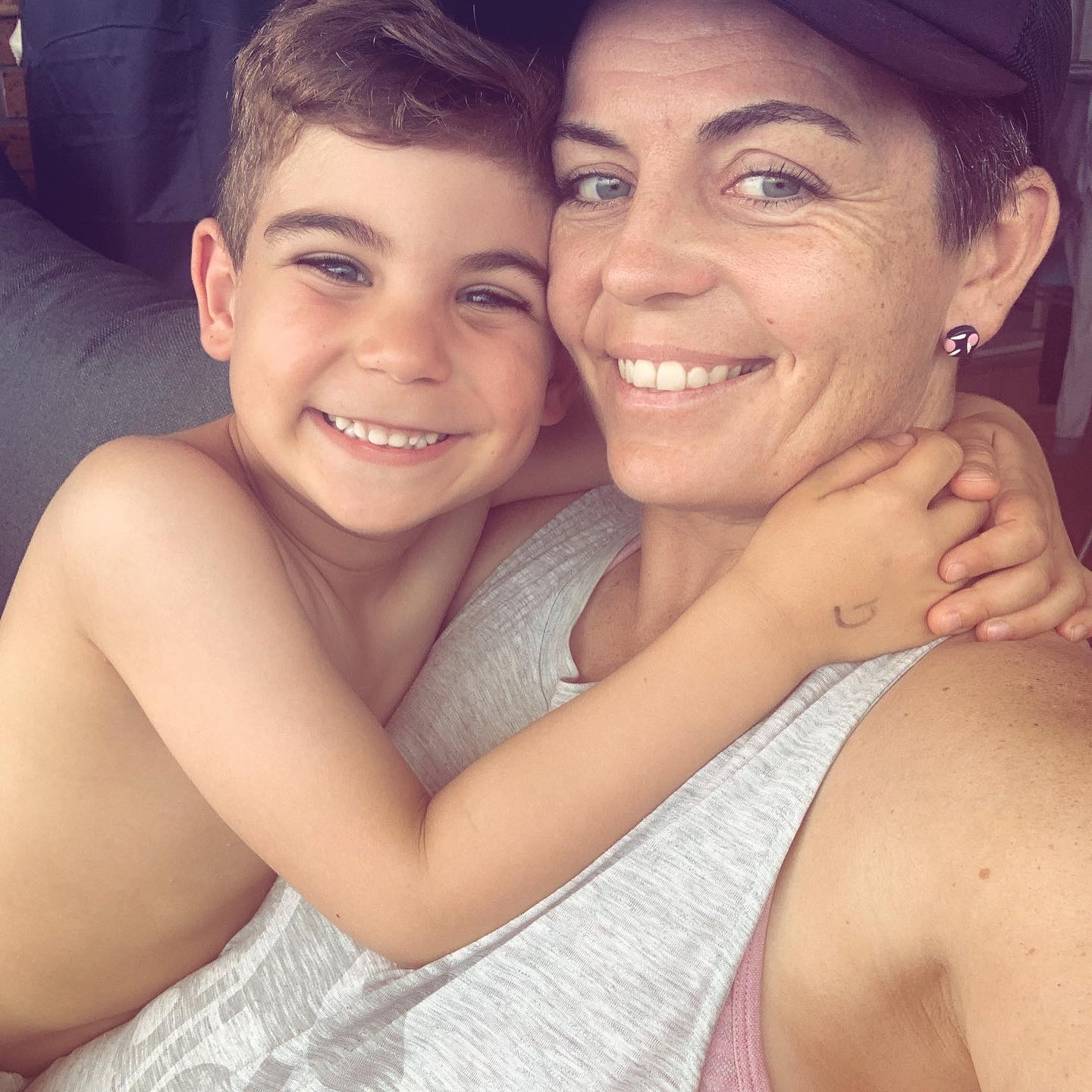
“People say I don’t look like someone with brain cancer. But I’m living every day with a quiet grief — not a fear of dying, but the sadness of not being able to live the way I once dreamed.”
The fight to buy more time
After the diagnosis was confirmed, she underwent an awake craniotomy – a procedure that allows surgeons to monitor speech and movement in real time as they remove the tumour.
“It was surreal. I was awake, describing pictures from a magazine while my neurosurgeon operated behind me. I felt like part of the team,” she says. “It was fascinating and terrifying all at once – but I trusted them completely and felt like I was part of the team.”
Her tumour sat close to regions in her brain responsible for language and movement. At one point during surgery, Nicole temporarily lost power in her left side – a sign the limits had been reached. The neurosurgeon stopped, preserving her function.
Six weeks later, she began six weeks of daily radiation with low-dose chemotherapy, followed by eleven months of high-dose monthly chemotherapy cycles. She walked 5km most mornings before treatment, determined to stay strong.
“This cancer is incurable. So, every treatment – even the tough ones – were buying me more time and time matters more than anything now.”
Nicole’s six-year-old son has been part of the journey from the beginning. They’ve even given her tumour a nickname: Barnaby. “He’s intuitive. There are moments he worries. But I want him to see resilience, honesty and joy, even in difficult times.”
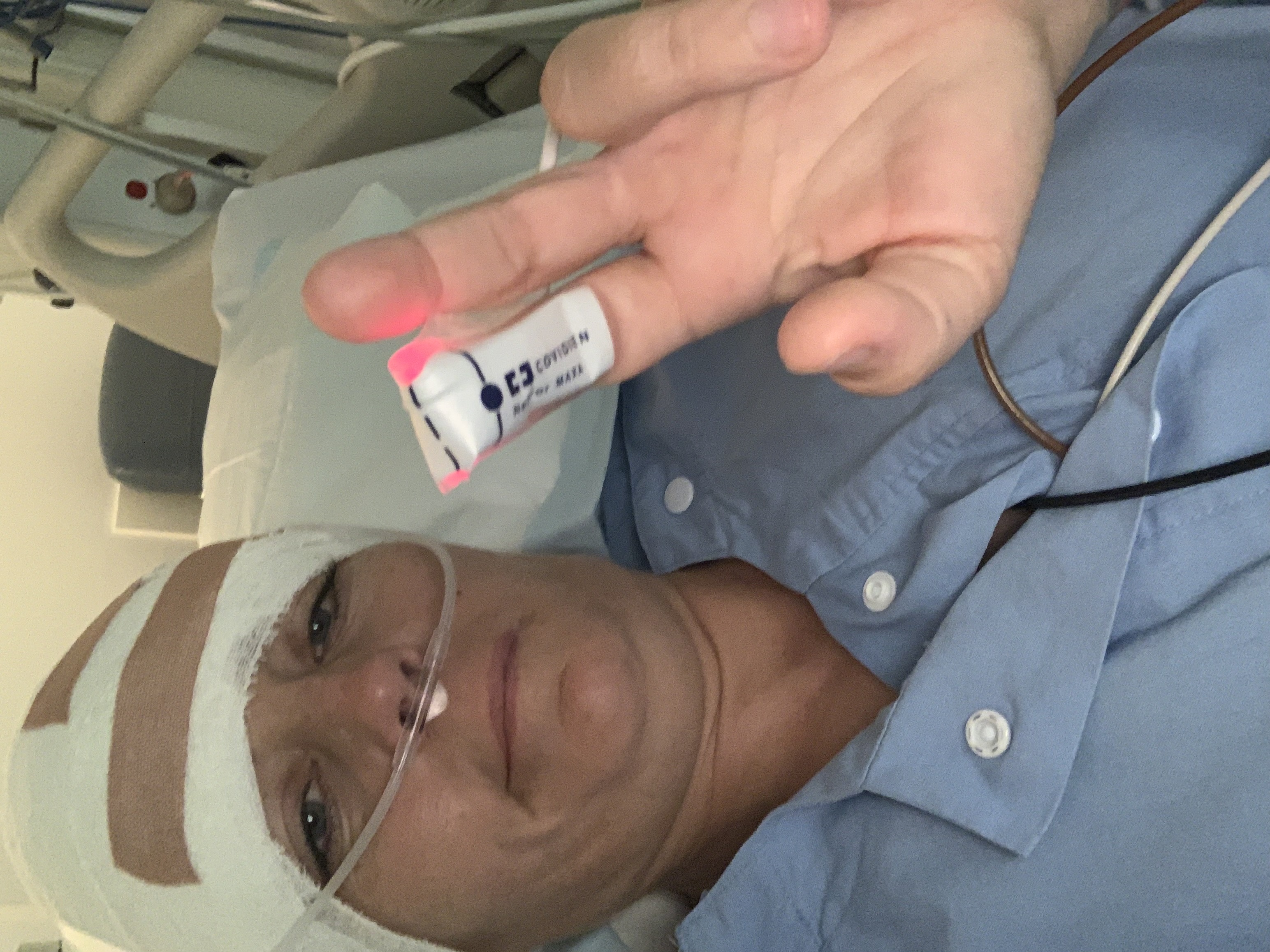
“This cancer is incurable. So, every treatment – even the tough ones – were buying me more time and time matters more than anything now.”
Grief, hope and living in the in-between
Nicole speaks openly about what she calls her “quiet grief” – not a fear of dying, but the sadness of not being able to live the way she once dreamed.
“It’s the grief of everyday reminders that I won’t always be around,” she says. “I’ll say to my son, ‘When you’re a smelly teenager I’m still going to give you big hugs…’ or I make a comment to my partner about paying off the mortgage – those things land differently now.”
Nicole has made a conscious decision to make the most of every day. “I didn’t choose brain cancer, but I can choose my response to it. If I let it consume me – if it stops me getting on with life – then it takes more from me than it already does,” she says.
It’s a mindset she shared with her Uncle Fearghal who was diagnosed with glioblastoma one month after her own diagnosis. The two supported each other across continents until Fearghal passed away last month.
“He fought with such a spirit. He was playing piano with one hand three days before he died. I miss him deeply, but now I'm even more determined to fight on for us both. His legacy is part of this.”
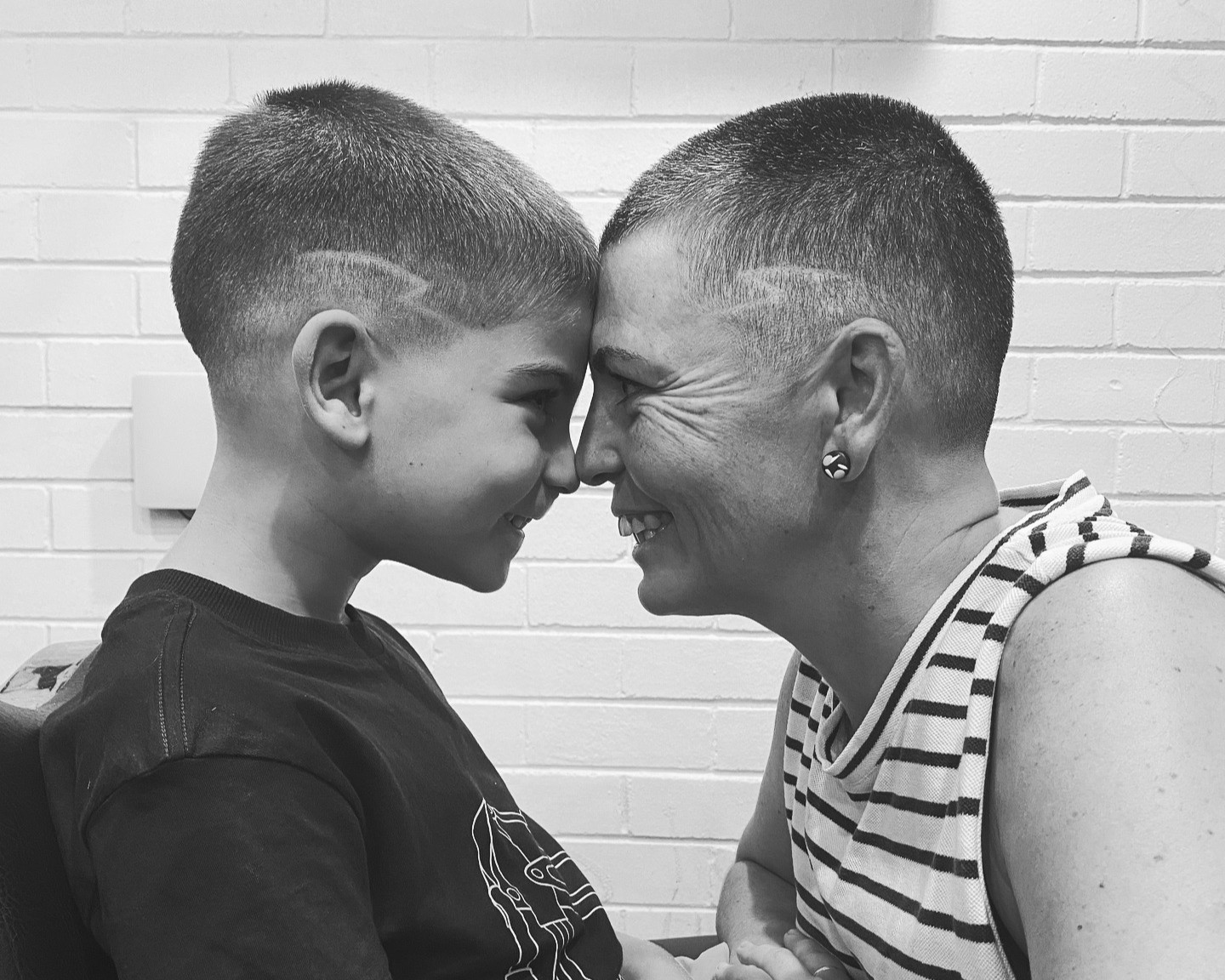
“I didn’t choose brain cancer, but I can choose my response to it. If I let it consume me – if it stops me getting on with life – then it takes more from me than it already does."
I AM Nicole
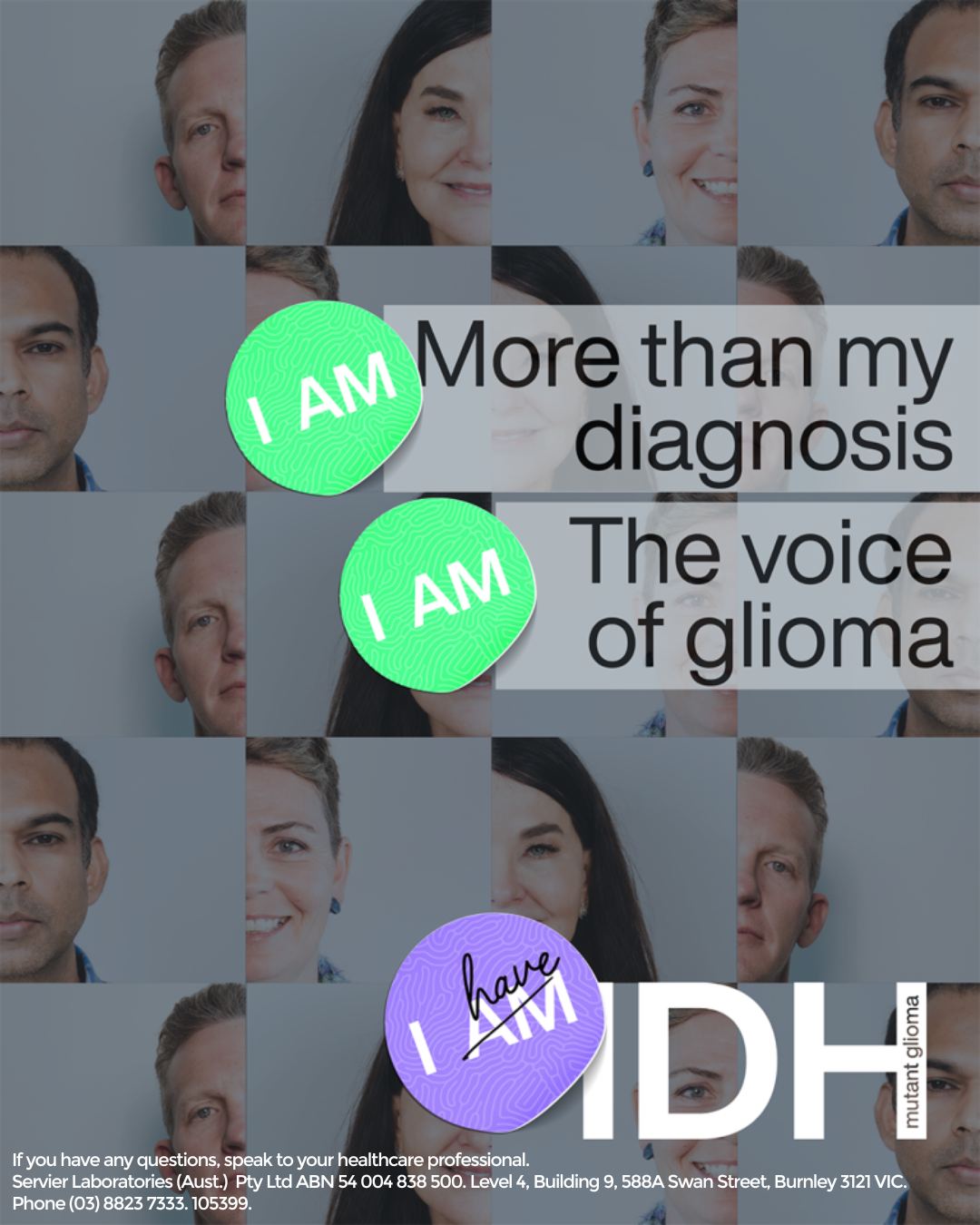
Nicole is sharing her story as part of the I AM campaign, which aims to challenge misconceptions about IDH-mutant glioma and highlight the lived experience of those affected. The campaign content was developed and funded by Servier and co-created with the community – including Brain Cancer Australia.
People often tell Nicole that she doesn’t look like someone with brain cancer.
“Most people have never heard of IDH-mutant glioma. They don’t see the emotional, physical or practical impact. If sharing my story helps even one person feel understood – or helps others listen – then it’s worth it.”
Nicole knows the statistics – fewer than 20% of people with her diagnosis live beyond five years. Treatments haven’t changed in decades. But she chooses to focus on what is shifting: new targeted drugs, increased awareness, stronger advocacy, and the power of people speaking up.
“I don’t know what the future will look like. But I’m here now. I’m living my life. And I’m determined raise my son as the mama he has always known – as best as I can for as long as I can.”