

When paediatric oncologist Dr Marion Mateos sits down with a family whose child has been diagnosed with brain cancer, she knows the conversation that follows can be one of the hardest they will ever have.
Some children will be facing treatments that can have significant and lasting side effects. For other families, the news is more devastating.
“It’s heartbreaking to have to tell a family that their child is going to pass away and that there’s no treatment,” she says.
These are the realities of brain cancer, which kills more children in Australia than any other disease.
For Marion, who holds clinical and research appointments at Sydney Children’s Hospital, Randwick, Children’s Cancer Institute and UNSW, the need for better, less toxic treatments is critical. So too is collaboration.
Her work is now part of the Minderoo Children’s Comprehensive Cancer Centre which integrates research, clinical care and teaching. Marion collaborates with colleagues nationally through the Australian and New Zealand Children’s Haematology/Oncology Group and internationally, and she’s a member of Brain Cancer Australia’s National Consortium Steering Committee.
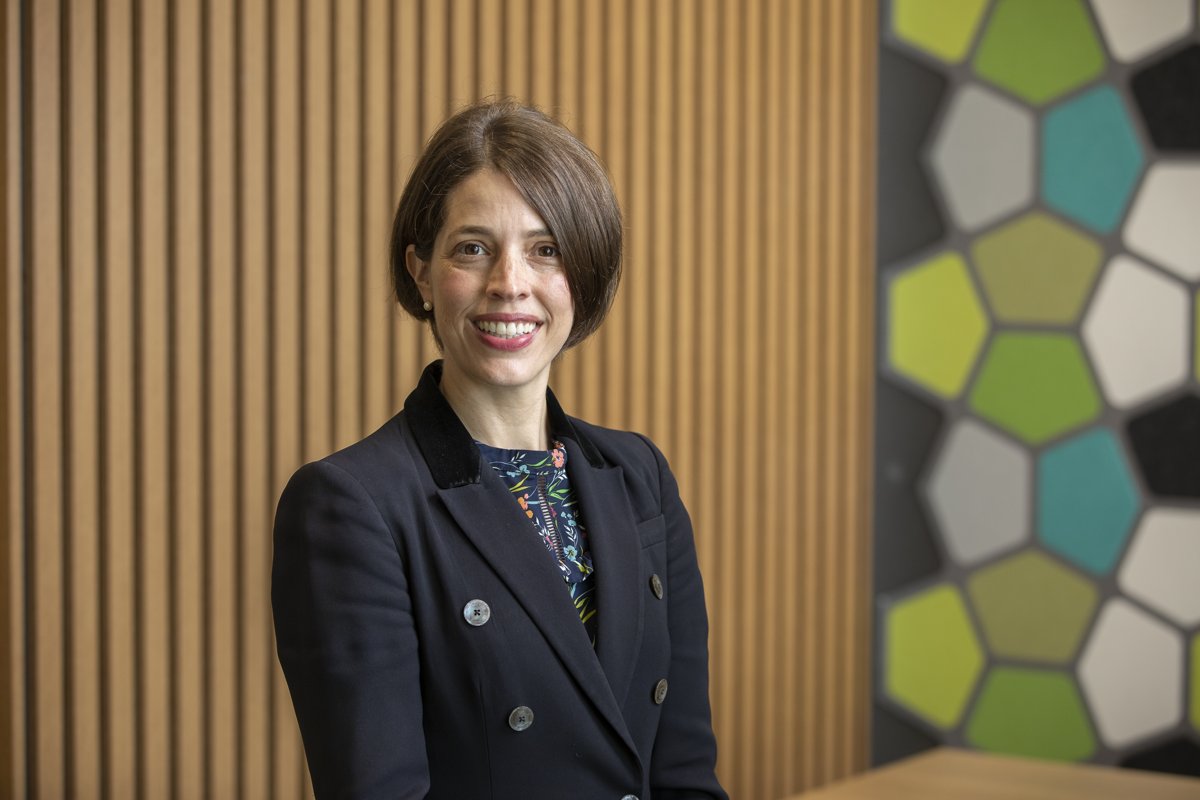
“We’ve got to provide better, less toxic treatments for brain cancer patients and, in some instances where there are no treatments, develop new ones."
A path into paediatric oncology
Marion grew up with medicine in her family. Her grandparents were both doctors in Mexico. Her grandmother was one of the country’s first female doctors and her father was also a doctor before moving to Australia.
But Marion says her own decision to study medicine came largely from an interest in science and a desire to help people.
After considering medicine, science and law, she chose medicine at UNSW. During her training, she explored several possible paths, including rural and Indigenous health, before finding herself drawn to paediatrics.
“I think it was knowing that you’re helping someone when they’re very young. If you made an impact early on, they had decades of life to live. And that continuity of being part of the family unit was important to me.”
A focus on brain cancer
After completing her paediatric oncology training, followed by a PhD, Marion spent time overseas, including a 2-year neuro-oncology fellowship in Newcastle upon Tyne in the UK.
After successfully securing a Cancer Institute NSW Early Career Fellowship in 2019, Marion returned to Australia. In the years since, she has increasingly focused her clinical and research work on childhood brain tumours, being awarded a Col Reynolds Clinical Fellowship from The Kids’ Cancer Project.
One of the biggest drivers was the lack of progress she saw for children with brain cancer.
“There’s been hardly any progress in 40 years. I thought, ‘We’ve absolutely got to research this. We’ve got to provide better, less toxic treatments and, in some instances where there are no treatments, develop new ones.’”
“There was no paediatric oncology representation. I thought we definitely needed a seat at this table.”
From the clinic to the research lab
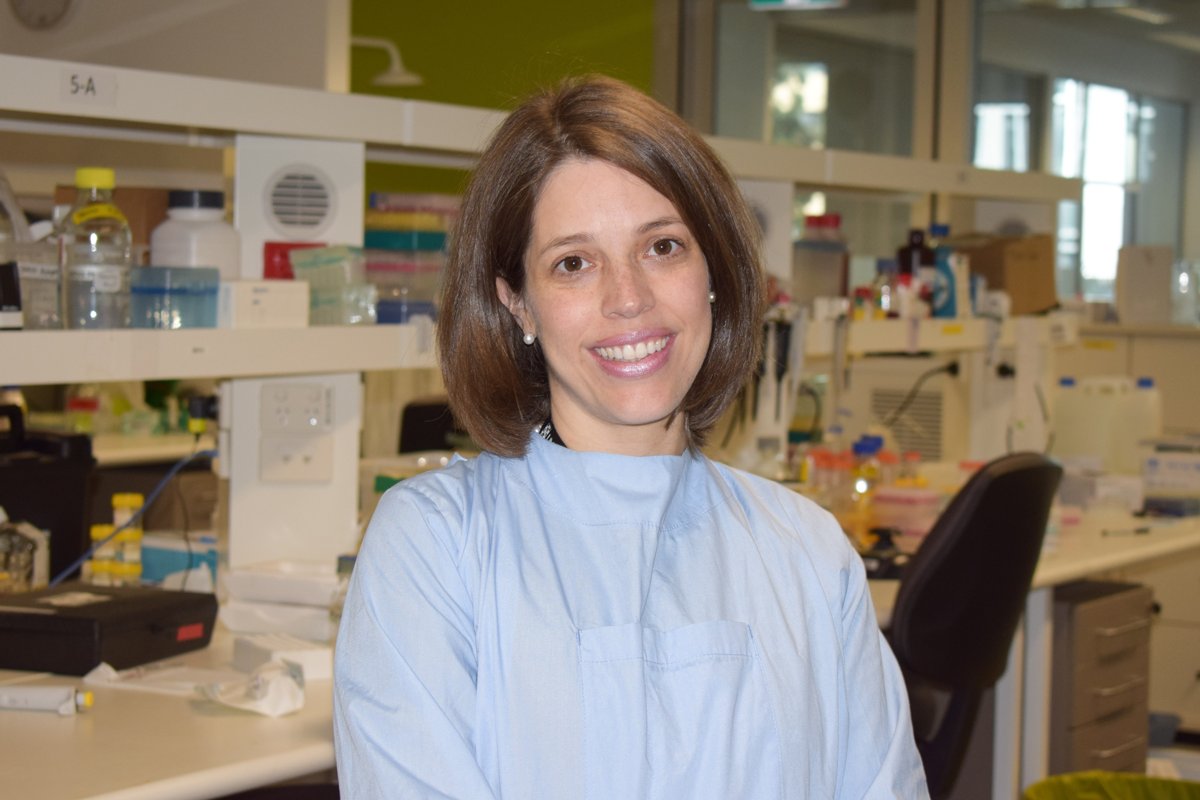
Today, Marion divides her work equally between clinical care and research.
“I really love clinical work,” she says. “You invest a lot in your patients and you want them to do really well. Working directly with them also helps identify the questions that research needs to answer.”
Her research includes early-phase clinical trials, she is involved in the ZERO Childhood Cancer Program and leads and contributes to national and international research projects.
New technologies are opening up further possibilities. Marion and her collaborators are investigating whether tumour cells and other markers can be detected in the spinal fluid of children with brain cancer.
She also leads national projects developing tissue resources for paediatric cancer research.
Bringing paediatric and adult brain cancer research together
Marion joined Brain Cancer Australia’s National Consortium Steering Committee after being nominated several years ago.
At the time, she saw an important gap.
“There was no paediatric oncology representation. I thought we definitely needed a seat at this table.”
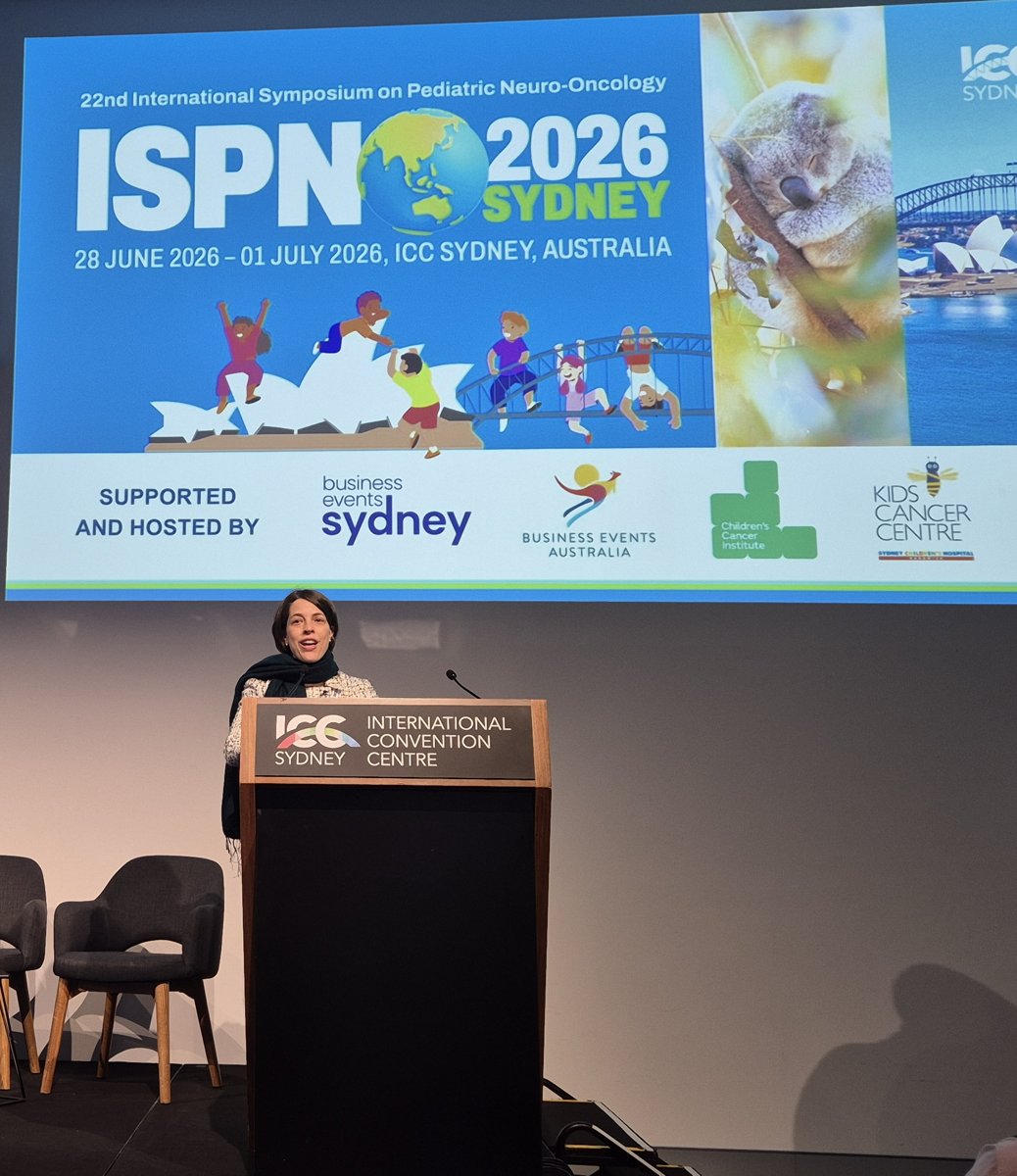
Marion believes there is significant value in bringing the paediatric and adult brain cancer communities together.
“We tend to be siloed,” she says.
Some brain tumour types occur across both children and adults, and Marion says researchers and clinicians can learn from advances made in each setting.
“There are often learnings both ways.”
Marion also believes the shared national infrastructure Brain Cancer Australia is developing can make collaboration easier.
“Establishing registries, biobanks and other research systems takes significant time, funding and ethics approval, so researchers should make the best possible use of infrastructure that already exists.”
“Once there is a mechanism in place, it is really helpful to look at ways to collaborate through that.”
More research is needed
Marion wants people to understand that brain cancer is not a single disease.
“There are so many different types of brain cancer that can affect people. Some of them are very rare and some are more common, but in most cases we need less toxic treatments across the board.”
Marion believes changing this will require continued investment in research, as well as more researchers and clinicians choosing to work in brain cancer.
“I’ve seen firsthand how committed the community is,” she says.
“We have so many important research questions that are yet to be answered. We have a lot of patients and they deserve to get the best treatment. We need more hands on deck and we need more resources to be able to continue to do the best by our patients.”

