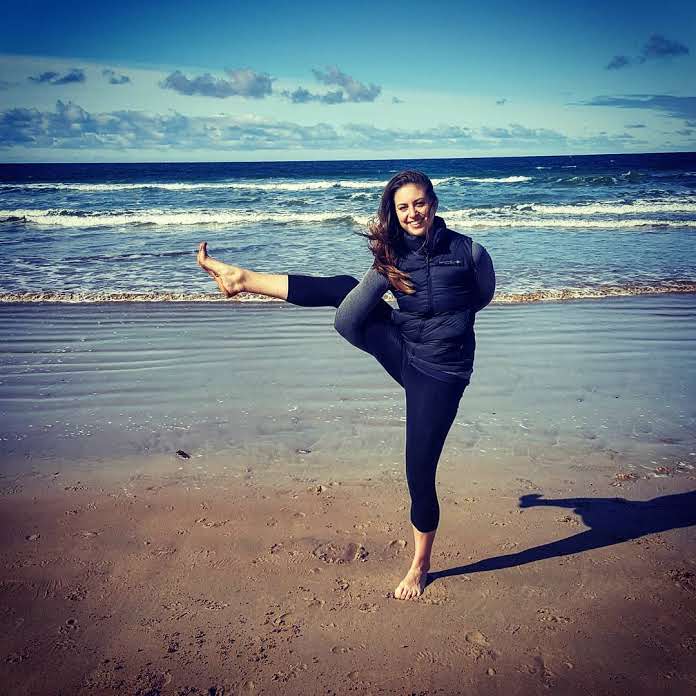
In 2023, Leah Ferguson was enjoying life as a new mother when she logged on to a telehealth call for what she thought would be a routine update.
Instead, she was told she had a lesion on her brain.
That call turned Leah’s life upside down and led to a diagnosis of grade 2 astrocytoma brain cancer.
Two and a half years later , she wants people to better understand what life with brain cancer can really look like — and through her Bend for the Brain yoga fundraiser for Brain Cancer Australia, she’s helping raise funds so others may have more options in the future.
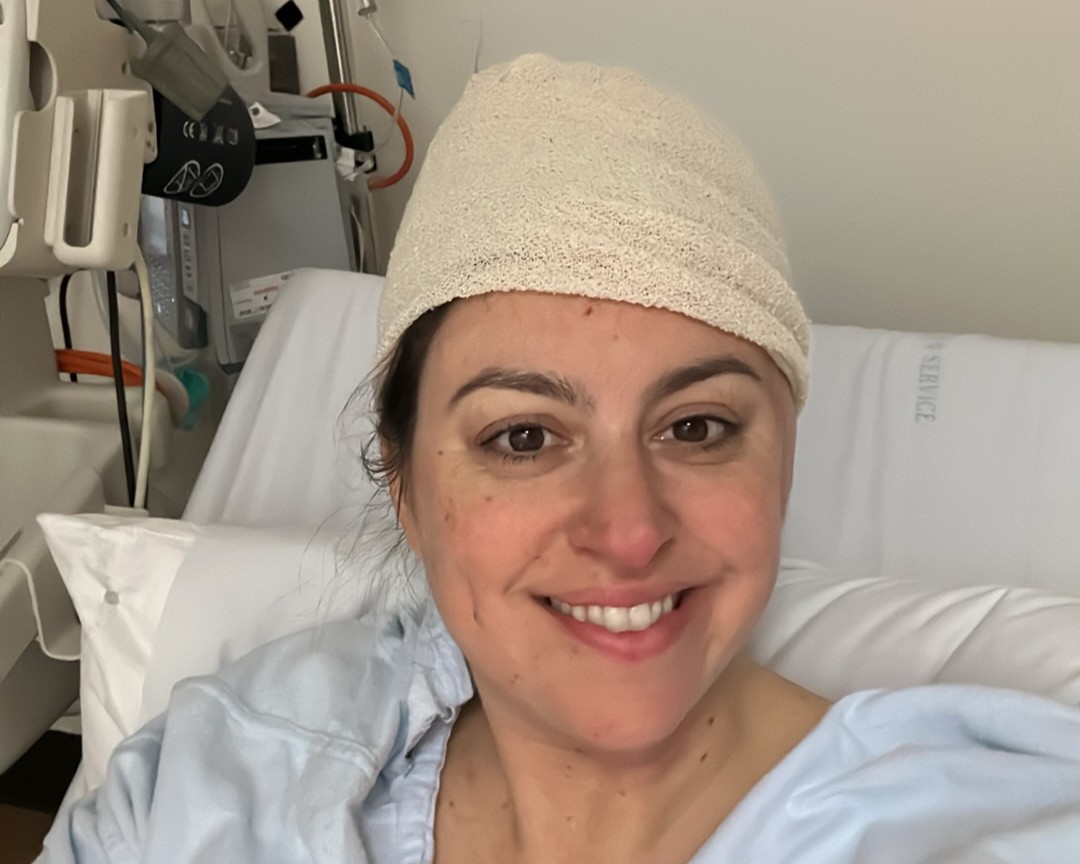
A new mother’s nightmare
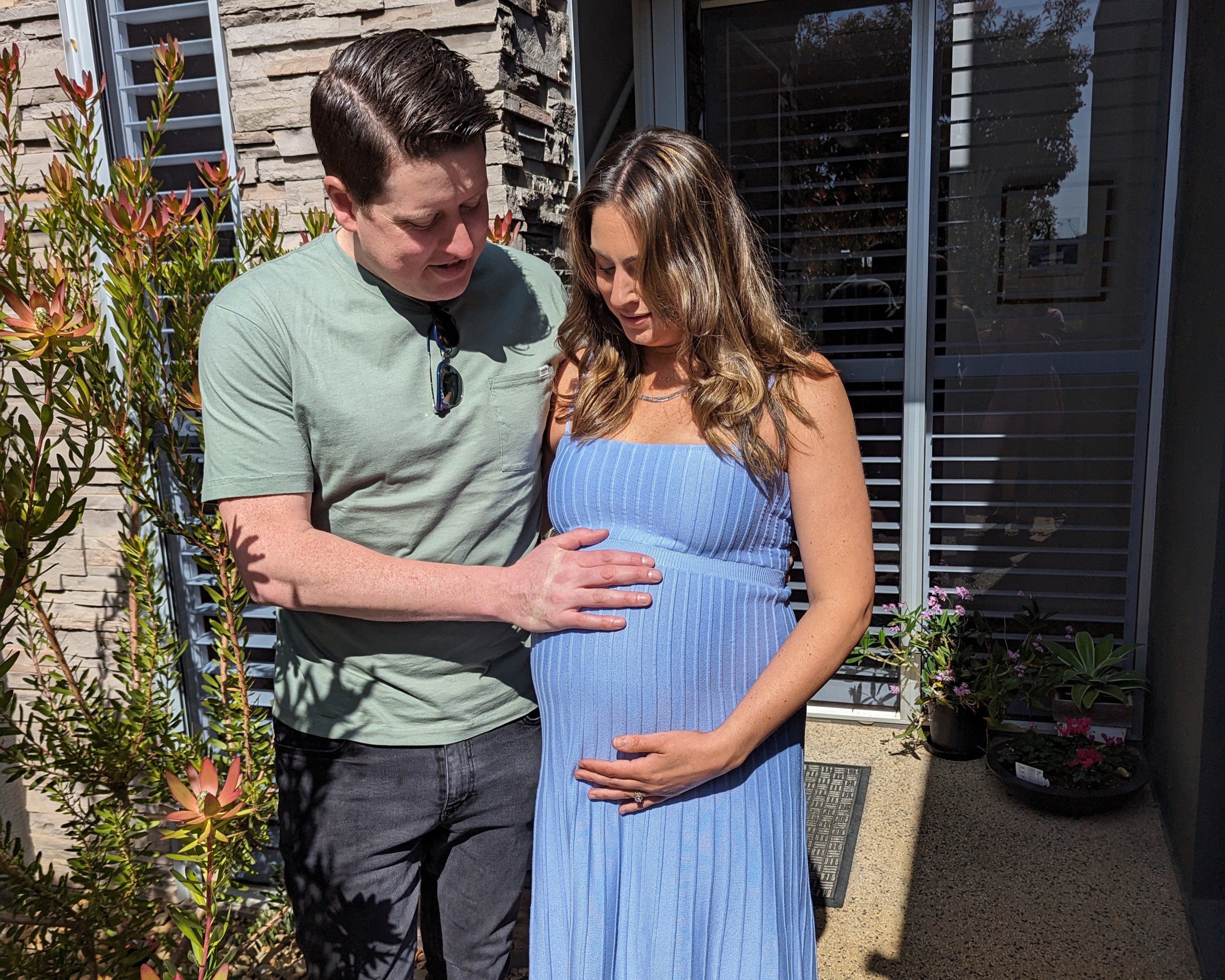
Leah had been feeling completely fine and adjusting to life with her three-month-old daughter, Lulu.
But during the first trimester of her pregnancy, she had experienced long bouts of acute vertigo. The symptoms eventually stopped, but her doctor advised her to get an MRI after giving birth.
“I was starting to think I shouldn’t bother with the scan, but something in me just said I should go,” she says.
It was during the quiet stretch between Christmas and New Year that Leah went it for the scan. When it finished, something unusual happened.
“I came out and the radiologist was in the room,” Leah says. “He said, ‘Look, normally I wouldn’t do this, but I want you to come and have a look at the scan.’”
He pointed to a cloudy white area on her brain scan and told her it shouldn’t be there.
“If you were my family member, I’d tell you to go straight to hospital,” he said.
Leah went to emergency, where doctors checked her over and told her there were no major neurological concerns, but that a neurosurgeon would follow up the next day after reviewing the scans.
“I thought the call was going to be such a non-event,” she says.
Decisions no-one prepares for
Leah took the telehealth call alone while her mum looked after Lulu nearby.
“Mum asked if I wanted her to come in with me and I was like, ‘Nah, it’s going to be fine. They’re going to say everything’s all good.’”
It wasn’t.
Leah was soon diagnosed with grade 2 astrocytoma — a slow-growing but incurable type of brain cancer.
“I couldn't comprehend what was happening. I was just in a total state of shock and overwhelm,” she says.
In the weeks that followed, Leah found herself thrown into a world of scans, specialist appointments and decisions she never imagined having to make.
“How do you decide who’s going to open your brain up? It’s such a hard decision to make.” she says.
After many conversations, she found the neurosurgeon she trusted and decided to delay surgery.
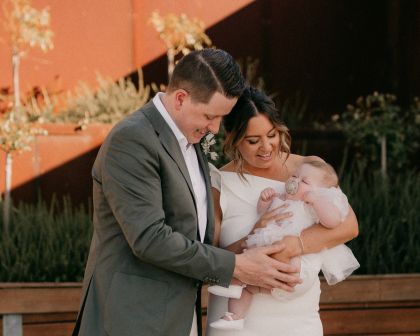
“Josh and I wanted to get married first and we wanted to wait until Lulu was nine months old,” she says. “I wanted to have time with her because I didn’t know what might happen after surgery. I could have been cognitively impaired or I could have died.”
“It’s not just about being alive — it’s about quality of life. This treatment has allowed me to avoid the more aggressive treatments of radiation and chemotherapy, which can have long-term negative impacts on your cognition.”
A glimmer of progress
Leah lives with ongoing scans and uncertainty, returning every few months to check for changes.
But she’s grateful to be on vorasidenib – the first new drug in brain cancer in twenty years.
With her supplies from a compassionate access program dwindling, she was relieved when it received a positive recommendation last month for PBS listing. Once listed — subject to Cabinet approval later this year — the cost of the drug is expected to fall from around $27,000 to approximately $30 per month.
“When I heard the news, a weight I hadn’t even realised I was carrying was lifted,” Leah says.
“It’s not just about being alive — it’s about quality of life. This treatment has allowed me to avoid the more aggressive treatments of radiation and chemotherapy for now - which is a relief as they can have long-term negative impacts on your cognition.”
Leah says that some days she forgets she even has a brain tumour.
“And that’s exactly how I want it to be.”
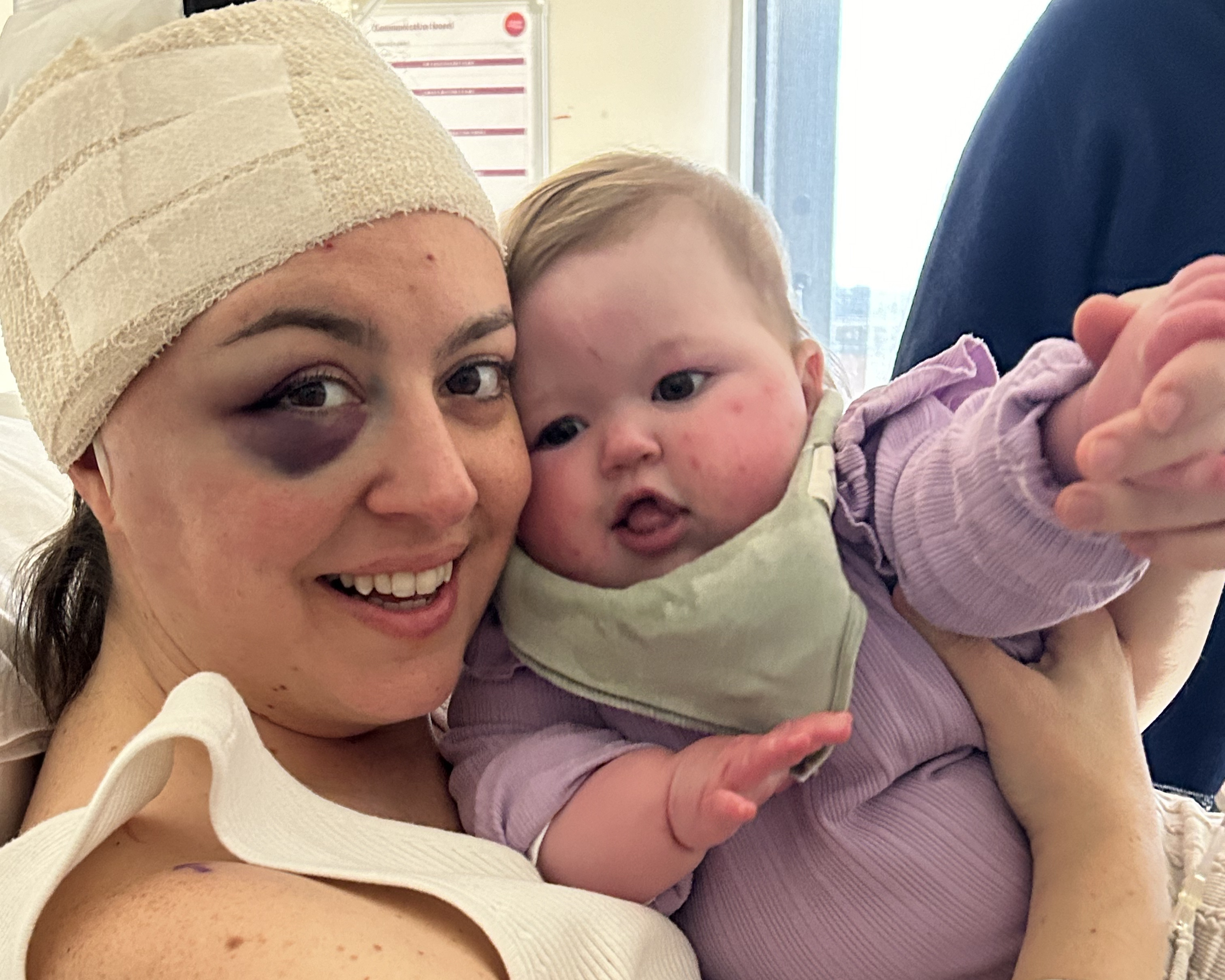
Bend for the brain
Leah has chosen to speak publicly to give people a clearer picture of what living with brain cancer can actually look like — not just the diagnosis itself, but everything that comes after it.
She is also fundraising for Brain Cancer Australia through Bend for the Brain, a community event in Torquay on Saturday, 16 May that brings people together for a yoga session overlooking the ocean in support of brain cancer research and patient care. People that can't make it can lend their support by making a donation here.
“I just wanted to do my little bit,” she says. “Right now, I just feel so grateful to be alive. It’s not often that you face mortality at this age.”
Looking ahead, her focus is simple: her family, raising Lulu, and the future she hopes to have with her.
“I really want to be a grandma.”