

Di Bowles: From Caregiver to Advocate for Brain Cancer Patients
When Di and her husband Ross look back on his 2013 brain cancer diagnosis, they realise it set them on a path to become the ‘foot soldiers of survivors’ — advocating for change and championing greater understanding of the disease.
“There aren’t many people with brain cancer that live this long,” Di says. “We feel a welcome obligation to use what we’ve learned to make things better for others.”
Over more than a decade, they’ve raised $100,000 for Brain Cancer Australia and driven awareness. Today, Di continues that work on Brain Cancer Australia’s Consumer Advisory Panel, putting patient voices at the centre of national infrastructure initiatives.
“Nothing prepares you for the shock of hearing the words ‘It’s brain cancer’ for the first time,” she says. “I suddenly had to become a researcher, an organiser, and an advocate — all while being a wife, carer, and mother.”
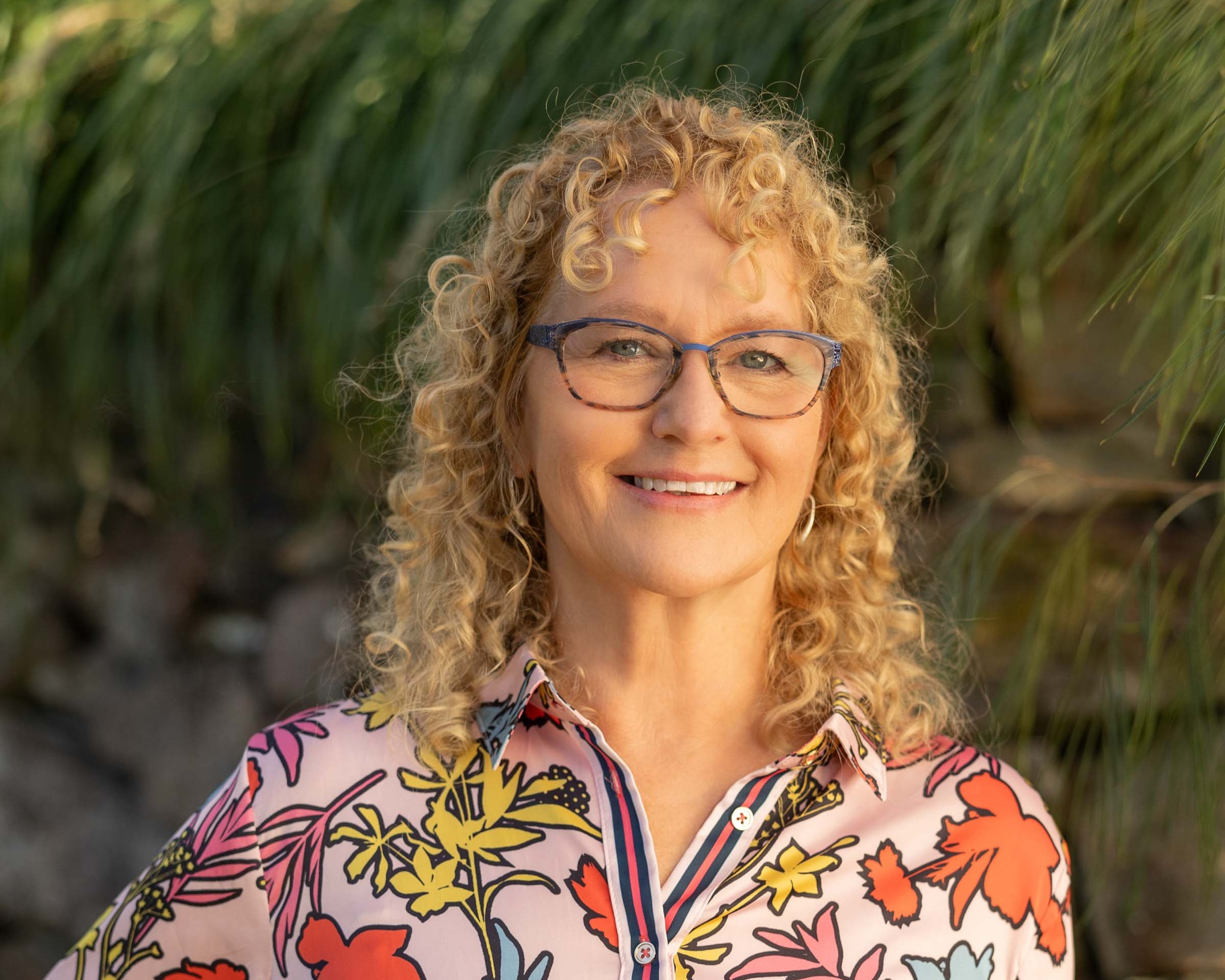
"Carers essentially operate as the second frontal lobe for people with brain cancer; you have to help them navigate so much.”
Ross was diagnosed with grade three oligodendroglioma. Brain surgery was followed by 33 radiation cycles and six rounds of chemotherapy — along with countless visits to specialists and therapists.
“It’s a full-time job to take care of a brain cancer patient. There’s also depression, fatigue, changes in communication — it’s a lot. Carers essentially operate as the second frontal lobe for people with brain cancer; you have to help them navigate so much.”
“A brain cancer patient needs an advocate, no matter what happens,” she says. “When you’re in shock or struggling cognitively, you can’t always take in what doctors are saying or know what to ask. Carers play such a critical role — not just for their loved one, but for research too.”
Through it all, Di has never stopped advocating — even changing careers to work in wellbeing policy after seeing the impact of positive psychology in her own family.
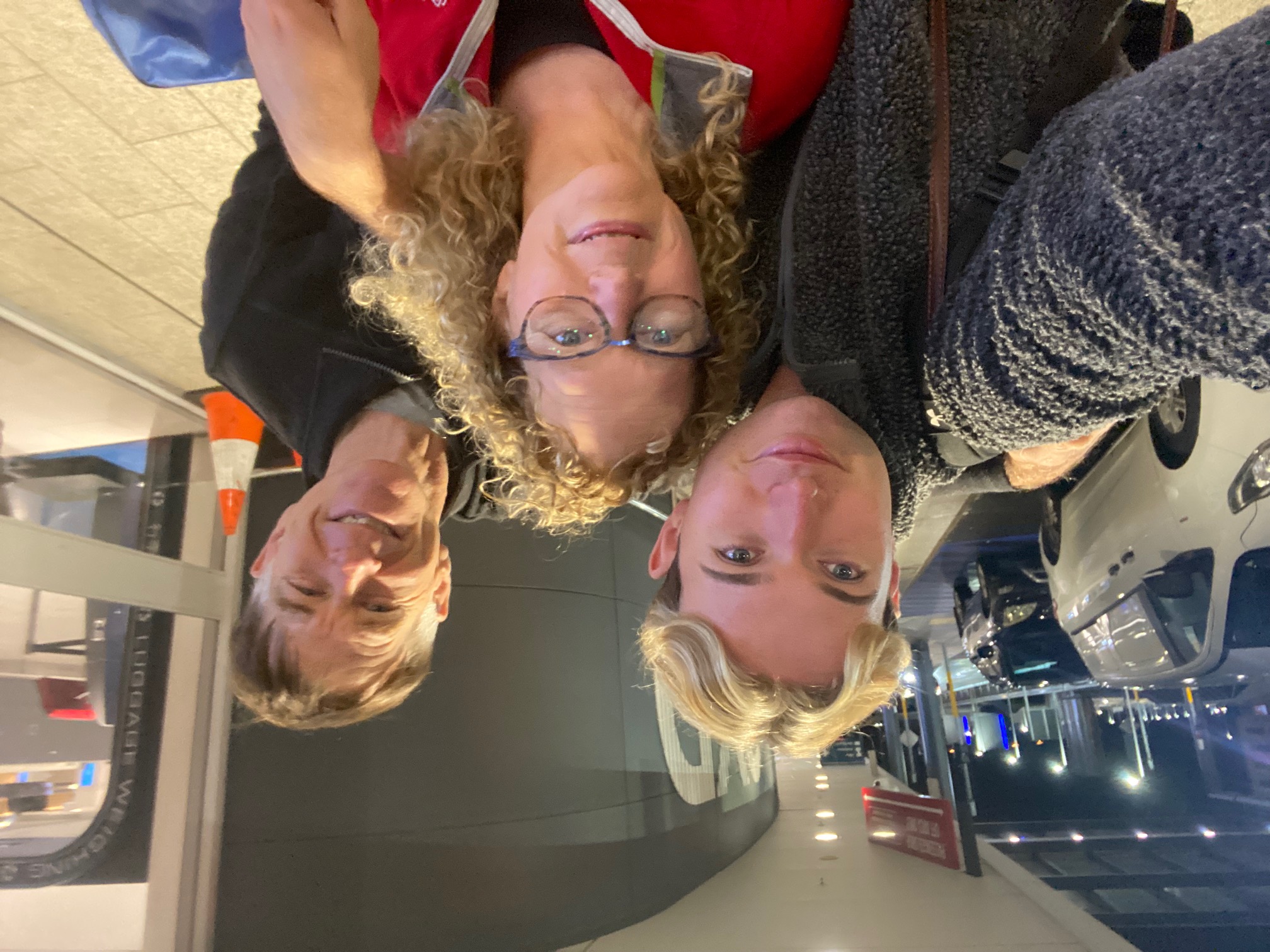
“There aren’t many people with brain cancer that live this long. We feel a welcome obligation to use what we’ve learned to make things better for others.”
Now, as a member of the Consumer Advisory Panel, Di helps ensure patient experience informs the development of Brain Cancer Australia’s national infrastructure platforms.
“So many people don’t have access to the same experienced doctors, hospitals or specialists as we did,” she says. “We’re very fortunate to live in Sydney, where all these amazing researchers and pathologists are located.
But every Australian with brain cancer deserves that same level of care – and that’s what the Australian Brain Cancer Registry is helping to achieve. If I can help make the path even a little easier for the next family, then that’s what I want to do.”
"If I can help make the path even a little easier for the next family, then that’s what I want to do.”
Di describes the work of Brain Cancer Australia as “phenomenal.” “It’s so needed. The statistics are horrific — there’ve been no major breakthroughs for decades. Something else needs to happen. What Robyn and the team have done is extraordinary.”
When Ross was first diagnosed, doctors told them he might live ten years. “That was in 2013,” Di says. “In June last year we celebrated twelve years. Aren’t we lucky?”
She remembers walking through the Royal North Shore Hospital car park after hearing his prognosis.
“We said, ‘Let’s hope you make it to our son’s high school graduation.’ And he did. Every day now is a gift we don’t take for granted.”

