

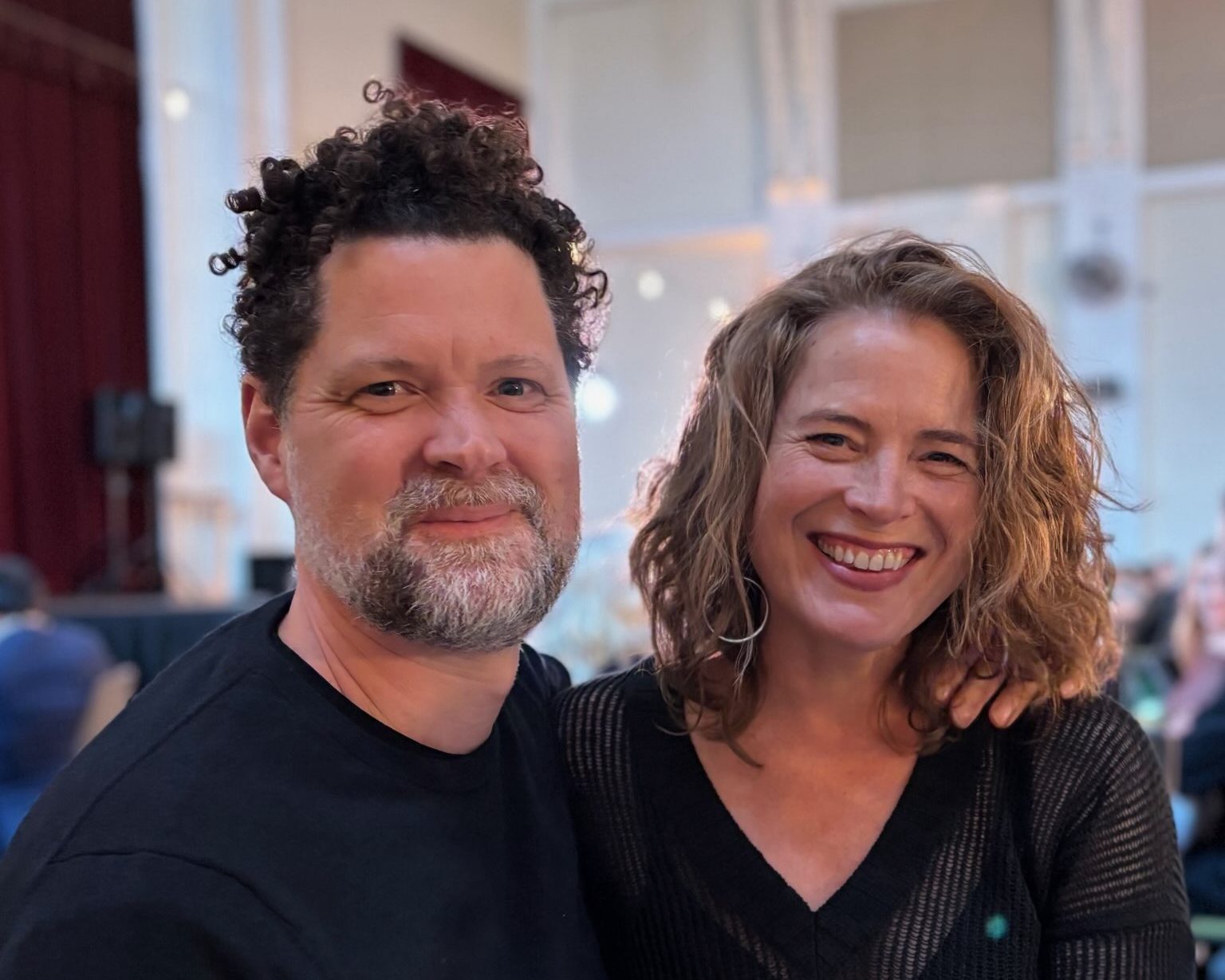
For Melbourne high school teacher and father of two Daniel Campbell, knowing that brain cancer research is happening helps ease the uncertainty of living with the disease.
At 49, Daniel underwent surgery in 2022 to remove a grade 2 astrocytoma, a slow-growing but incurable type of brain cancer.
In 2025, a glimmer of hope came with vorasidenib, a new brain cancer drug that can delay tumour progression and the need for radiotherapy and chemotherapy in eligible patients. Now, Daniel will take part in a study to help researchers understand what the treatment means for patients over the long term.
Vorasidenib Outcomes: Real-world Analysis (VORA) is the first study on Brain Cancer Australia’s new Opt Me In platform. It will track the long-term impact of vorasidenib using patients’ treatment and outcomes data.
An alarming discovery
Daniel’s experience began in 2018, when he noticed a strange sensation in his leg while gardening. His foot was on the ground, but it didn’t feel that way.
He called his wife, who encouraged him to seek medical help — advice he’s grateful he followed, knowing he could easily have ignored the sensation and carried on.
He was taken to Austin Hospital in Melbourne, where doctors initially thought he’d had a stroke.
“I had a battery of tests and was told, ‘we don’t think you’ve had a stroke, but there is a mass on your brain’. It was an alarming thing to hear. At one moment you’re cruising along feeling superhuman, the next you’re thrown into a world of worry and doubt,” said Daniel.
Scans revealed a mass in his brain, but further investigations couldn’t determine what it was. His doctors weren’t overly concerned and recommended monitoring it with MRIs twice a year.
During COVID the appointments seemed to fall off the radar so in 2022 he decided to call see if further MRI scanning had been planned.
Receiving the diagnosis
The MRI showed that the mass had grown and was now acting like cancer. That October, Daniel underwent surgery to remove it.
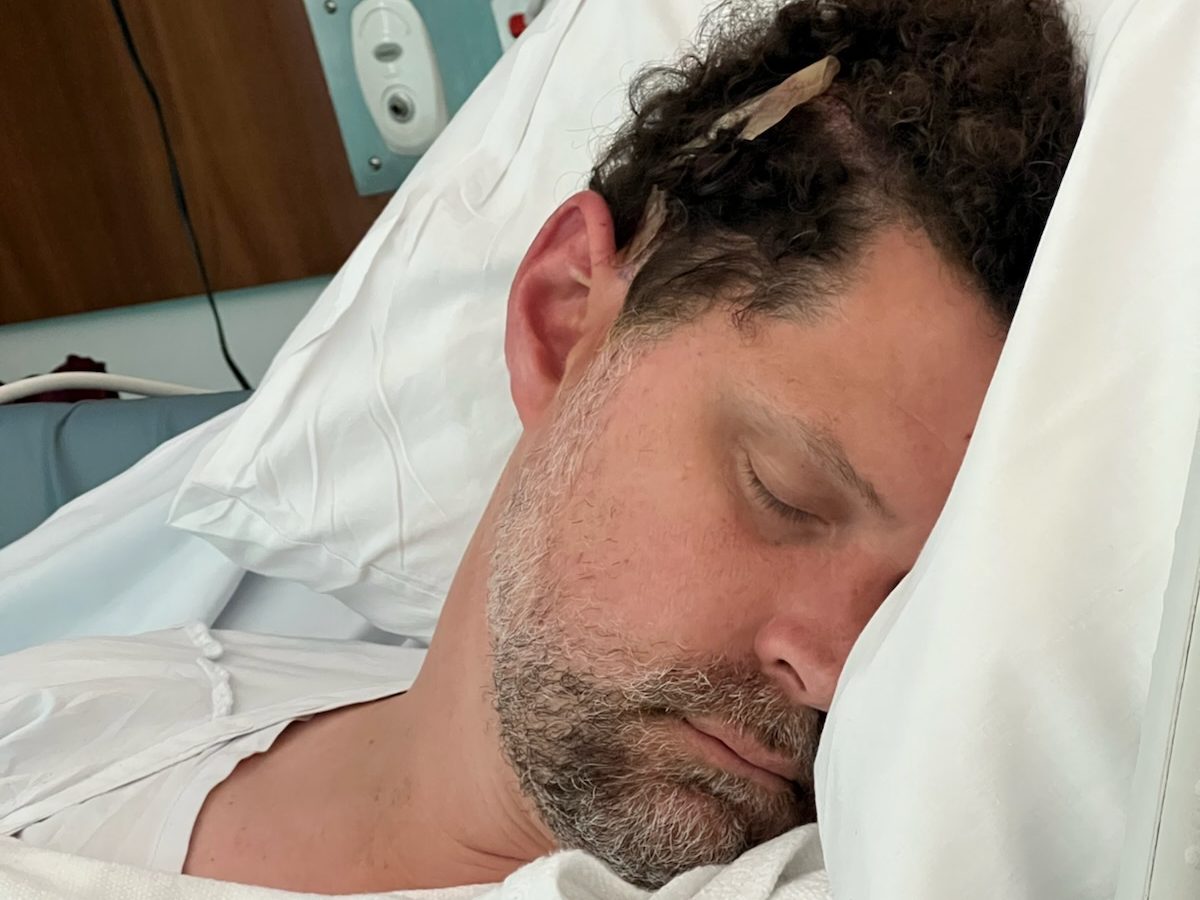
“The days after surgery were dreadful. The High Dependency Ward care meant I was woken every two hours for cognitive tests. I had tubes inserted everywhere and there were machines making noises all around. Though I was of course very grateful to be there, it was exhausting, and there was a background panic about what might be coming next.”
Daniel says the moment they told him he had brain cancer has stuck with him.
“The day I went home was an awful day,’ he says. “They took my wife and I into a room to break the news. In hindsight I clearly wasn’t able to fully absorb the information, but what did stick with me were the numbers used – the prognosis. That has been very hard to let go of, as I guess it is for most people.”
Diagnosed with a grade 2 astrocytoma, Daniel was told the cancer might come back in five to seven years.
Getting on with everyday life
Recovery from surgery brought difficulties with Daniel’s speech and overwhelming fatigue. His speech improved over the following months, but the need to stop and rest can still be sudden.
“It’s often the case that ‘when I’m done, I’m done’. I can’t even hang on for a bit to rest; my brain just shuts off and I have to sleep - it’s quite dramatic. But my tolerance is improving all the time.”
He took six months off from his job teaching geography and history to high school students but is now back four days a week.
He says his life has been made easier by the incredible support around him.
“I am so grateful for the doctors and nurses at the Austin, who were, and remain, incredibly kind. My workplace has also been absolutely wonderful – my boss and the whole team.”
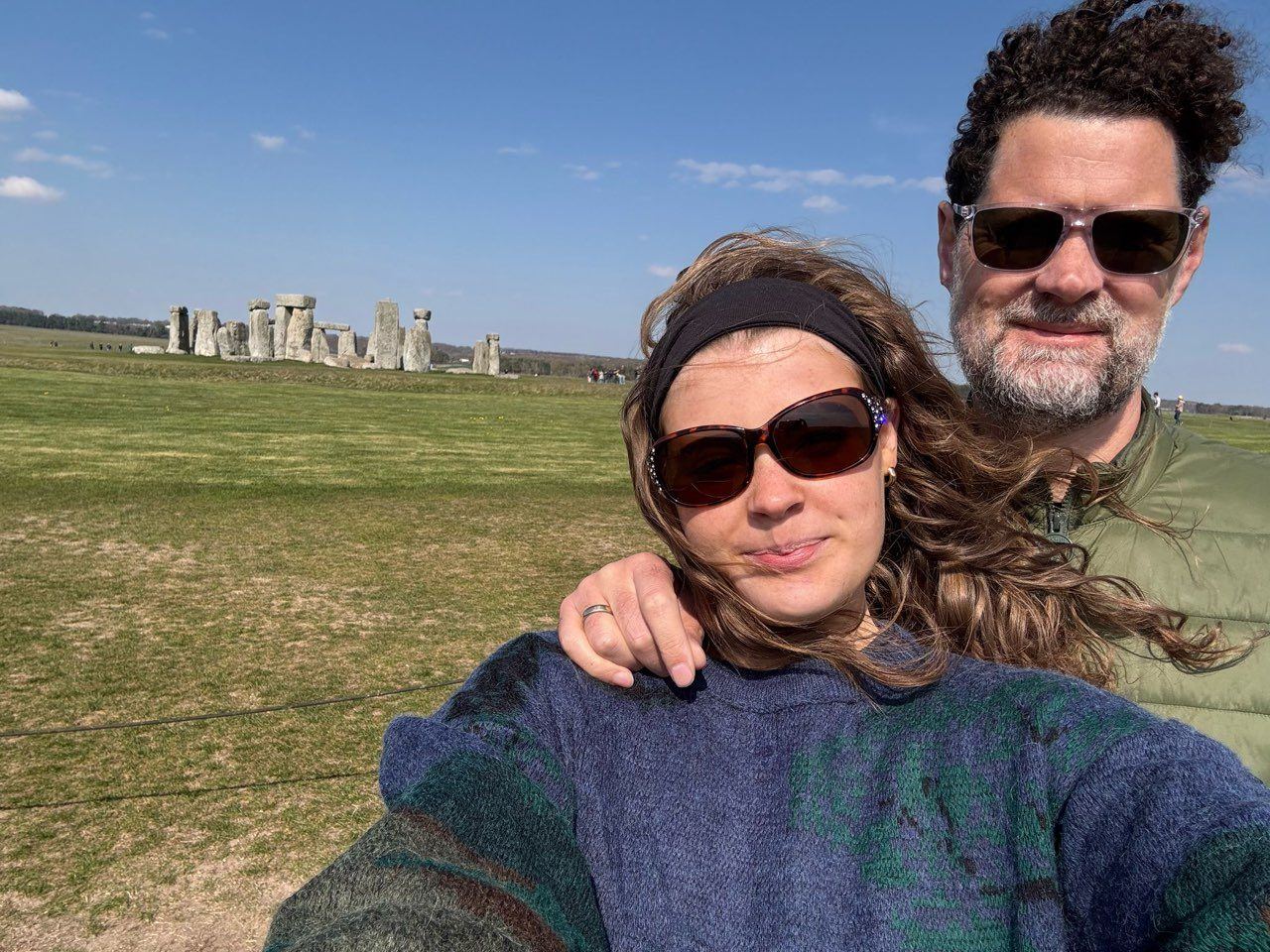
At home, his wife has supported since that very first phone call in the garden.
‘I’m very, very lucky to have such a magnificent wife, who supports me endlessly.’
Daniel continues to have regular MRI scans and takes the day off when he receives his results, allowing himself space in case the news is difficult. Between appointments, he tries to keep life as normal as possible.
Helping answer the next questions
The arrival of vorasidenib has given Daniel something positive to focus on.
Daniel began taking vorasidenib through a compassionate access program provided by the drug’s manufacturer, Servier. In August 2026, the announcement that vorasidenib would be listed on the Pharmaceutical Benefits Scheme – reducing the monthly cost from $28,000 to $25 for eligible patients – brought him much-needed reassurance about access to the treatment.
Clinical trials have shown that vorasidenib can delay tumour progression and postpone the need for radiation and chemotherapy in eligible patients. But questions remain about its longer-term effects, including quality of life, side effects and whether it helps patients live longer.
By taking part in the VORA study, Daniel will help researchers build that understanding.
Through Opt Me In, eligible patients can register online and consent to their information being linked to the Australian Brain Cancer Registry. Researchers can then use this data to track the patient’s treatment and outcomes over time.
For Daniel, knowing that work is underway helps ease the distress of living with brain cancer.
“To know that there is meaningful research going on is absolutely invaluable. Every small step forward provides immense respite from a deep feeling of vulnerability,” Daniel said.
His message to anyone considering supporting the work is simple.
“Anything that anybody can do is very, very, very welcome.”

