

Radiation oncologist Dr Cecelia Gzell still remembers Lucie.
They met in 2007 when Lucie — the daughter of Brain Cancer Australia founder Robyn Leonard — was undergoing radiation treatment for her brain cancer.
“Lucie has always stood out in my memory,” Cecelia says. “We were a similar age and we got along very well. I cared for her when she was first diagnosed, and again later on towards the end of her battle. Years after that, when I reconnected with Robyn through my work, it felt like one of those connections that keeps coming back.”
Patients like Lucie helped shape Cecelia’s decision to continue her career in radiation oncology.
Today, Cecelia specialises in brain and primary spine tumours at Icon Cancer Centres in the Sydney Adventist and Concord Hospitals. She is Chair of this year’s International Stereotactic Radiosurgery Congress in Sydney, and a member of Brain Cancer Australia’s National Consortium.
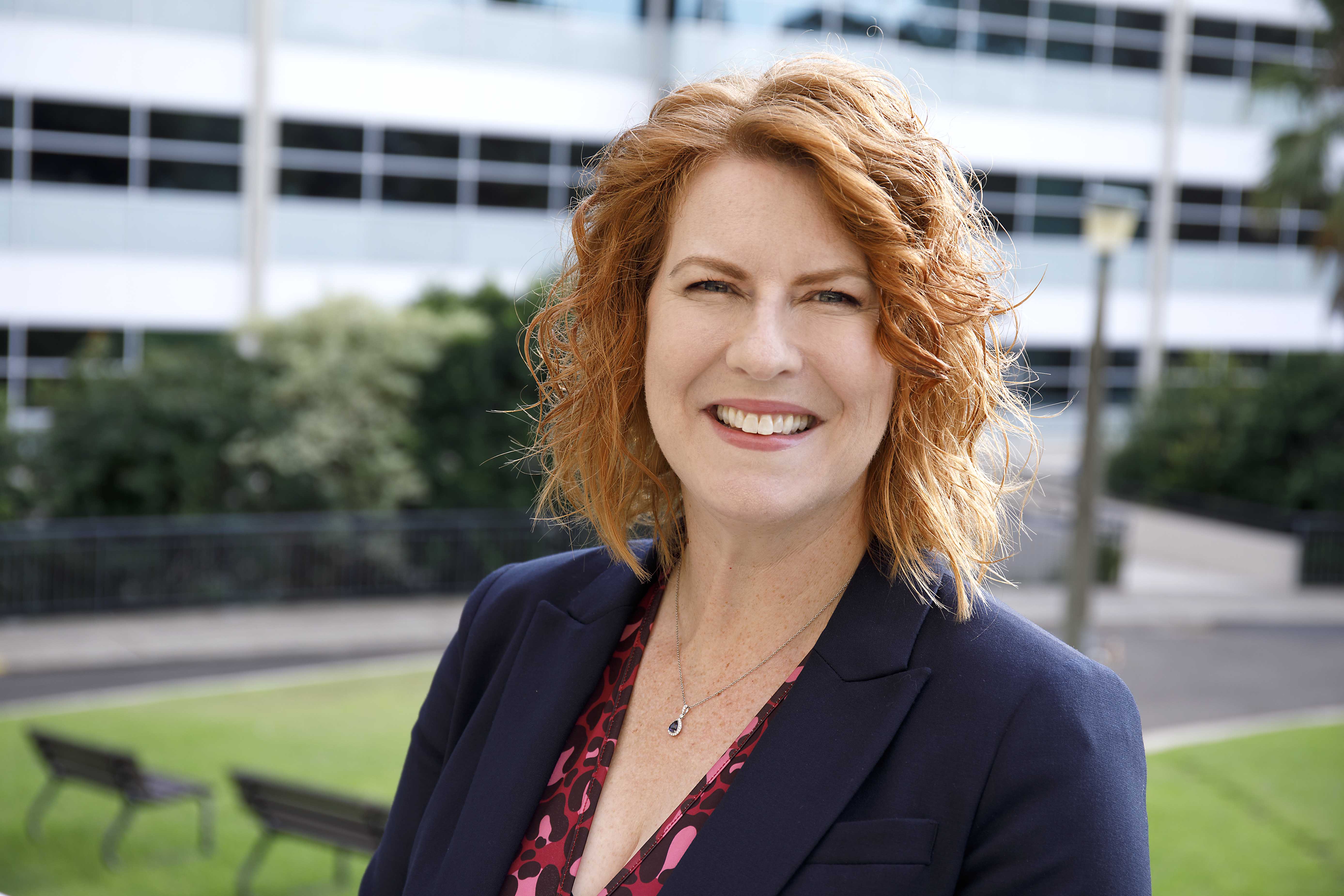
"Treating patients with aggressive tumours and poor survival does take a toll. But it’s also a field that’s still evolving. We haven’t learned all the lessons yet and we haven’t made all the gains— but we can still keep learning and keep improving.”
Finding her focus in brain cancer
Cecelia always planned to work in medicine and was drawn early to oncology. She initially expected to become a medical oncologist — before discovering radiation oncology.
“I liked the mix of patient care and the technical side,” she says. “There’s a lot of imaging and interpreting scans, and creating individual plans. Then there’s the evolving technologies which keep things interesting. It suited how I think.”
Midway through her specialist training — around the time she met Lucie — Cecelia began to focus on brain cancer.
“The technical side of brain radiotherapy was changing fast,” she says. “I could see how much potential there was to improve outcomes.”
Emotionally demanding but important work
“Brain cancer work is emotionally demanding,” Cecelia says. “Treating patients with aggressive tumours and poor survival does take a toll. But it’s also a field that’s still evolving. We haven’t learned all the lessons yet and we haven’t made all the gains— but we can still keep learning and keep improving.”
While a large part of Cecelia’s clinical work involves treating people with primary brain and spine tumours, she also treats patients with secondary (metastatic) and benign brain tumours She specialises in stereotactic radiosurgery (SRS), a highly targeted form of radiation that can reduce side effects, shorten treatment time and improve tumour control for selected patients.
Cecelia co-founded the Stereotactic Interest Group of Australasia (SIGA), focused on improving education and standards of SRS practice across Australia and New Zealand.
She is now Treasurer of the International Stereotactic Radiosurgery Society (ISRS) and Chair of its upcoming international congress, to be held in Sydney in 2026.
Hosting the world in Sydney
The ISRS Congress is the largest international meeting of stereotactic radiosurgery specialists in the world, drawing more than 1,000 clinicians, physicists and researchers.
It will be only the second time the congress has been held in Australia.
The 2026 theme — Vivid Horizons: Illuminating the Future of Radiosurgery — reflects both the pace of innovation in the field and the opportunity to showcase Australian expertise to an international audience.
Cecelia has ensured the program includes sessions on patient experience, clinician wellbeing, burnout and resilience.
“This is a hard field to work in,” she says. “If we want a strong workforce long-term, we need to look after the people doing the work.”
“We work in different disciplines, but we’re all caring for the same patients. Learning from each other really matters — and if something improves care, even in a small way, we want to know about it and use it.”
Joining Brain Cancer Australia’s National Consortium
Cecelia recently joined Brain Cancer Australia’s National Consortium — a network of more than 100 clinicians and researchers working together to strengthen brain cancer care and research infrastructure across Australia.
“I’ve worked alongside many of the members over the years — and of course there’s the connection to Lucie and to Robyn,” she says. “When I was invited to join, I was very happy to be involved.”
Cecelia believes that it’s important to have a mix of clinicians and researchers to share knowledge and resources – and to ensure there’s opportunities for overlap.
“We work in different disciplines, but we’re all caring for the same patients. Learning from each other really matters — and if something improves care, even in a small way, we want to know about it and use it.”

