If anyone deserves a brain cancer breakthrough, it’s Bec Mallett.
Bec has lived alongside brain cancer for most of her adult life — first as a sister-in-law, then as a wife, and always as an advocate determined to make things better for others.
Her first encounter with the disease came in her twenties when her brother’s wife, Caroline, was diagnosed with oligodendroglioma at just 27. Caroline lived for five years, during a time when supportive care for brain cancer was almost non-existent.
“There was very, very little support back then,” Bec recalls. “No real support groups, no peer connections – no-one to talk to who understood what you were going through.”
Caroline experienced severe personality changes and progressive disability. Bec’s brother Clinton, a nurse himself, became Caroline’s primary carer while also raising their young child — largely without any formal support.
“We just couldn’t believe how isolating it all was. Other cancers seemed to have networks and pathways. Brain cancer didn’t.”
Honouring Caroline
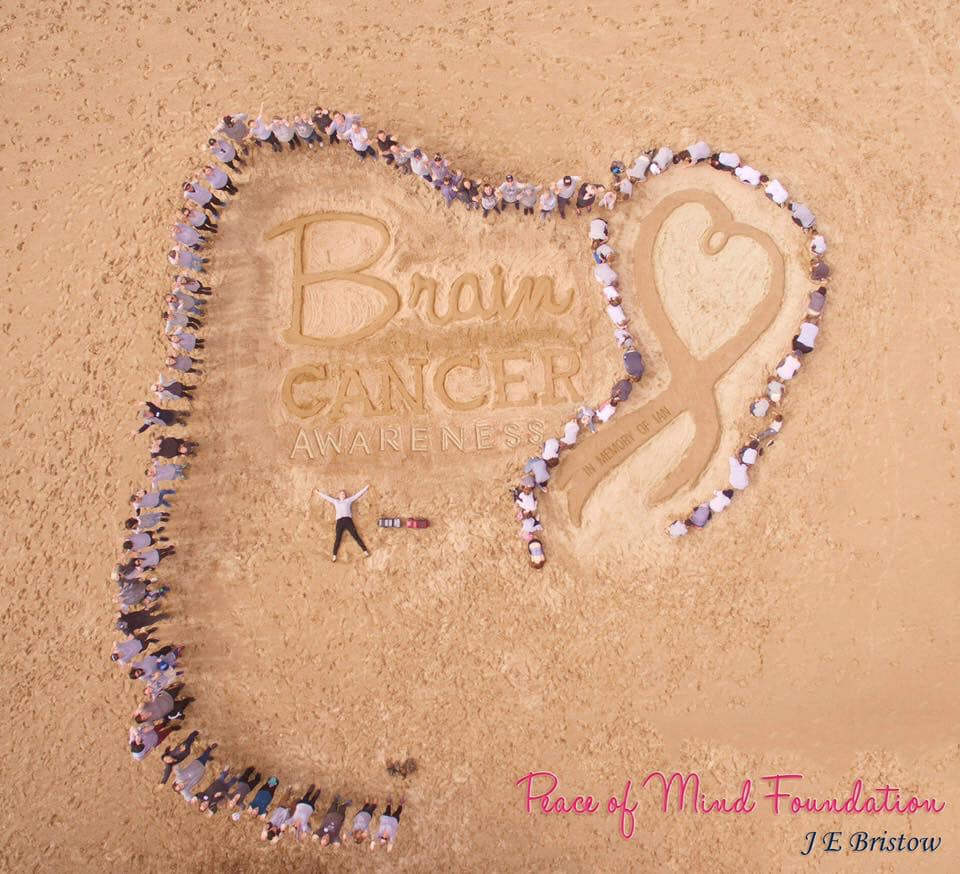
After Caroline died in 2011, Bec and her brother made a promise: they would build the support they wished had existed. Two years later, they founded the Peace of Mind Foundation — a charity focused on helping people live with brain cancer.
Peace of Mind Foundation began small, offering support groups and practical assistance. Over time, it grew into a national organisation providing counselling, financial support, retreats, bereavement care, community brain cancer navigators and a national advocacy service that helps families access the NDIS and other essential services. The foundation now supports 1000 people each year.
“We’ve always looked for the gaps,” Bec explains. “If someone else is already doing something well, why would we duplicate it? Our role has always been about meeting needs that weren’t being met.”
An unexpected love story
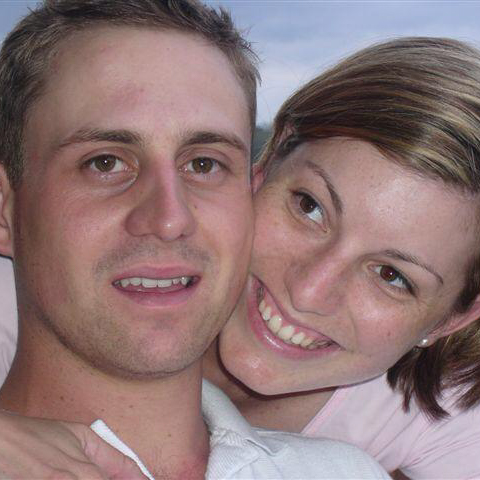
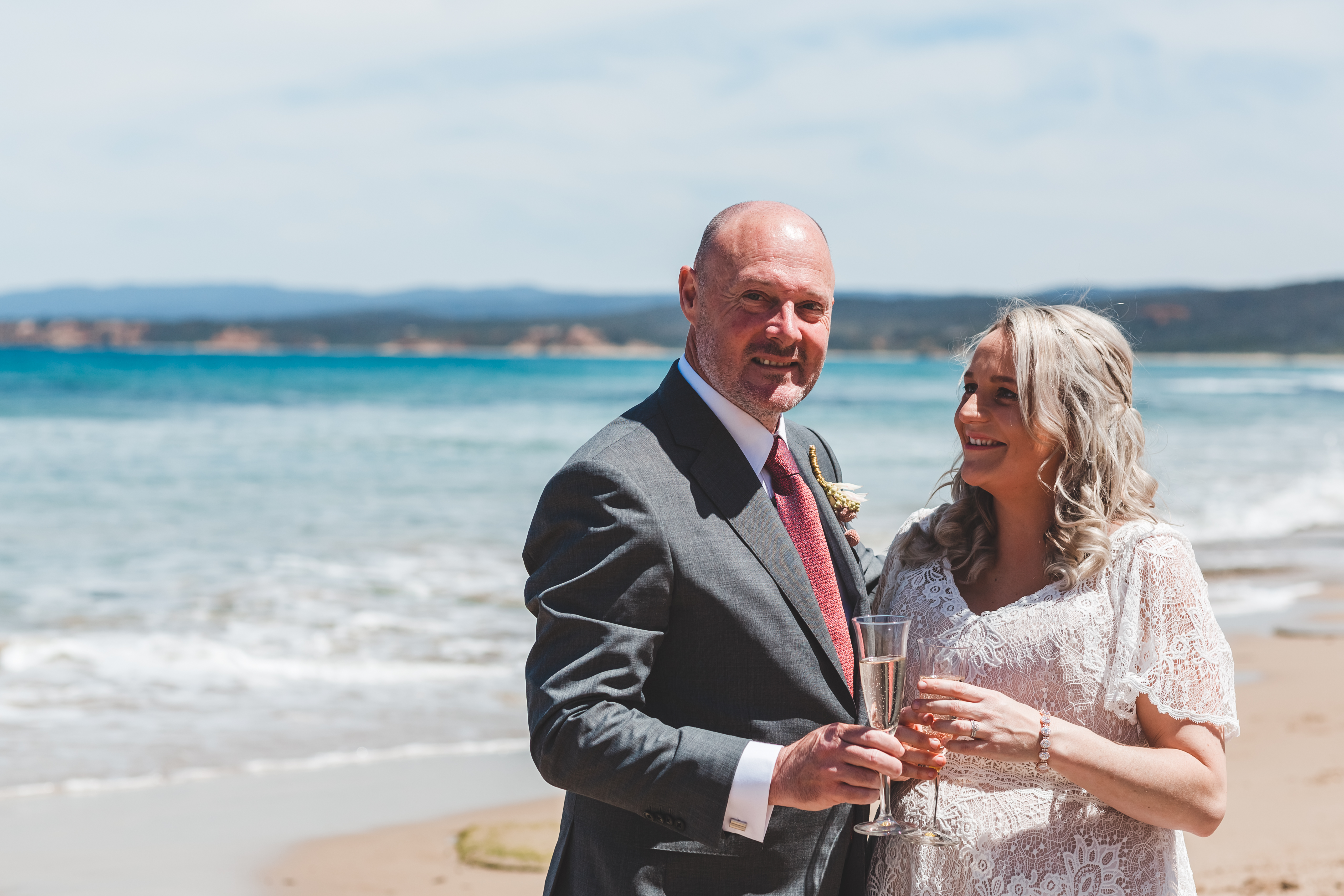
In 2019, brain cancer became personal again – in an unexpected way. While hosting a Peace of Mind retreat, Bec met Matt, a photographer living with IDH-mutant glioma – a slow-growing brain cancer with no cure. The connection was immediate and terrifying.
“I already knew how it would end,” Bec says. “I knew what living with this disease looks like.”
Matt had already lived well beyond the statistics — 13 years after diagnosis — and after much deliberation, Bec chose to follow her heart. They married, built a life together, and welcomed a child.
“I married him knowing we weren’t going to get 25 years together,” she says. “But nothing about anyone’s future is certain.”
The realities of living with brain cancer
In late 2023, scans confirmed a recurrence.
“2024 was a pretty full-on year,” Bec says.
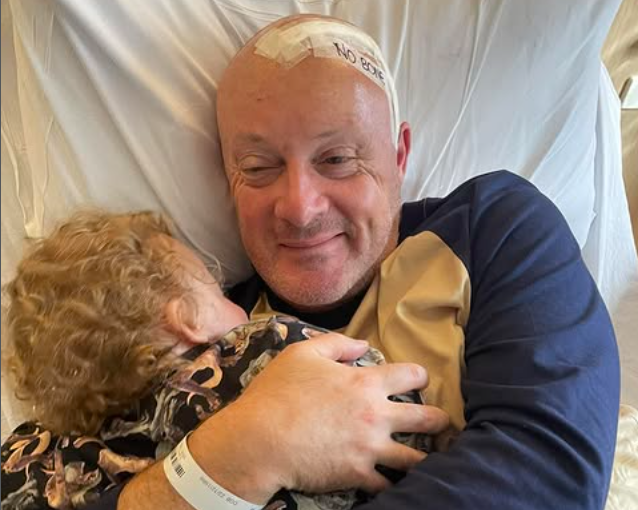
Matt was scheduled for surgery to remove the tumour, but complications intervened. An infection in his scalp plate meant the surgery could not proceed. The plate – which had been put in to stabilise his skull after a previous surgery – had to be removed, and he underwent six weeks of intravenous antibiotics at home, with a nurse visiting daily.
“That was a very scary time,” Bec explains. “You’re told the tumour is growing and needs to come out — but you can’t remove it. And you’re waiting months before you can try again.”
Surgery eventually went ahead mid-2024. Today, Matt is 18 years into his brain cancer journey. After two major surgeries, radiation, chemotherapy and ongoing treatment, he lives with significant cognitive and physical challenges.
“The fatigue is enormous,” Bec explains. “He’ll be up for two hours and then need to go back to bed. He’s lost movement on his right side. He can get around the house, but he needs a wheelchair when he goes out. There’s ongoing swelling on the brain, issues with blood pressure and blood vessels coming close to the skin from treatment. And cognitively — the speech, the reasoning — that’s been one of the hardest things. He can’t have full conversations anymore.”
"Brain cancer is the only cancer that not only robs you of your life; but while it’s doing that it also robs you of who you are — your potential, your personality, your ability to think, talk and rationalise.”
I AM Bec
For Bec, this is where brain cancer differs from any other disease.
“It’s the only cancer that not only robs you of your life; but while it’s doing that also robs you of who you are — your potential, your personality, your ability to think, talk and rationalise.”
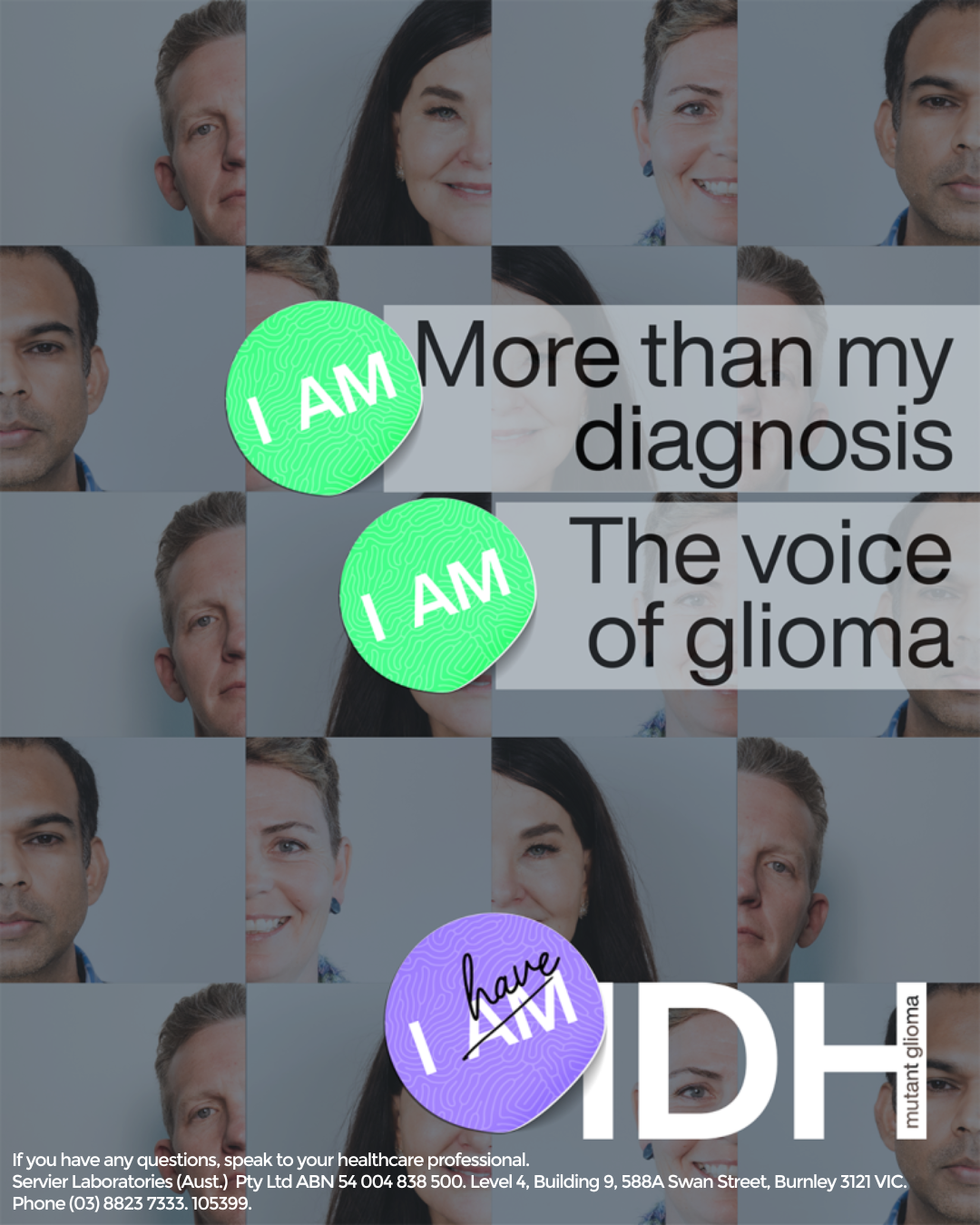
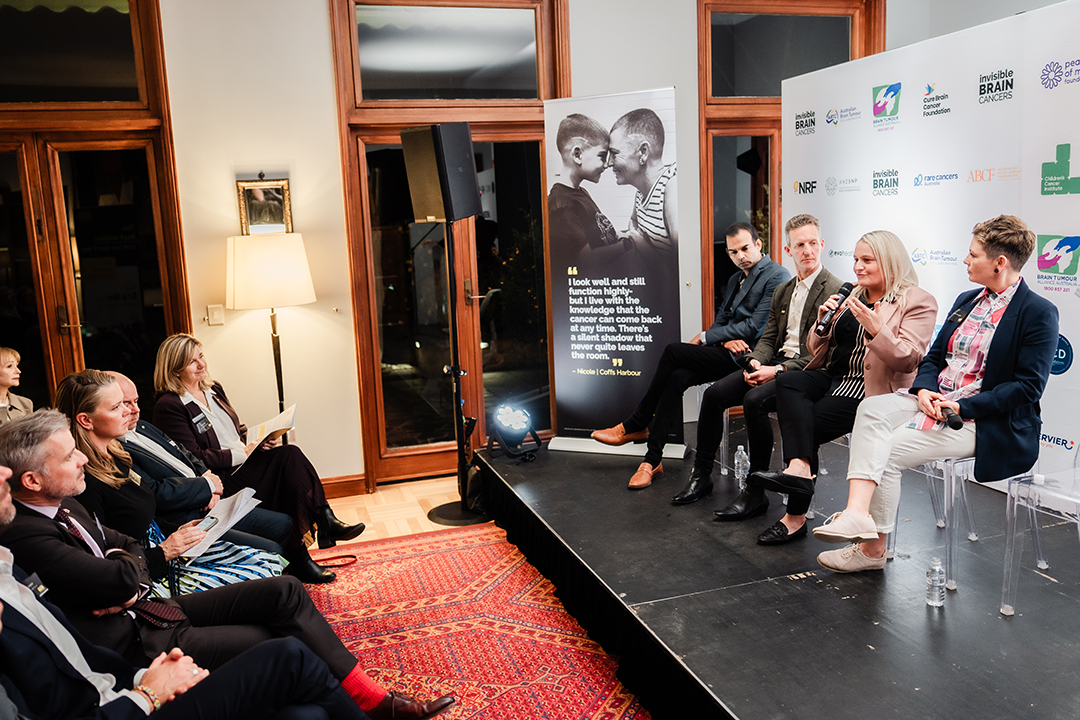
In her role as both carer and advocate, Bec speaks openly about anticipatory grief — a theme she has shared through the I AM campaign which challenges misconceptions about IDH-mutant glioma and highlights the lived experience of those affected.
“You feel like you’ve lost the person you love before they’ve actually passed away,” she says. “They’re still here, but the essence of who they are has changed.”
Holding onto hope for a breakthrough
Despite the emotional toll, Bec continues to work at Peace of Mind Foundation and is supporting brain cancer patients and their families every day.
“I want to be here when there’s a breakthrough,” she says. “I don’t want to walk away before we see real progress – even if it’s not a cure.”
Her hope is for a future where a brain cancer diagnosis comes with options.
“That’s what keeps me going,” she says. “To know that one day someone will hear that there’s a new drug or a different treatment that will give them more time and a better quality of life – that would be enough.”