

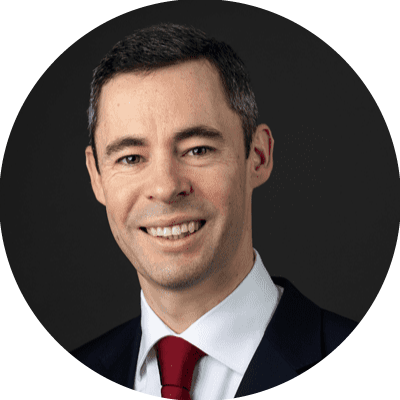
“The consortium’s multidisciplinary and multisite collaborative approach is a key strength that may help provide the next breakthrough for patients with brain cancer.”
Dr Michael Colditz
Brain Cancer Australia has welcomed its 100th member – Dr Michael Colditz – to the National Consortium, marking another milestone in our nation-wide collaboration to improve outcomes for people affected by brain cancer.
Dr Colditz – a staff specialist neurosurgeon Royal Brisbane and Women’s Hospital and a clinical senior lecturer at the University of Queensland – said the consortium represents an important part of Australia's brain cancer research ecosystem.
“The consortium’s multidisciplinary and multisite collaborative approach is a key strength that may help provide the next breakthrough for patients with brain cancer,” says Dr Colditz.
The consortium brings together leading clinicians and researchers from across Australia to build the national research infrastructure needed to accelerate brain cancer research and improve patient care. This includes coordinated specimen collections, comprehensive clinical data to inform research and treatment, and systems that enable patients to enrol in clinical trials — infrastructure that benefits the entire brain cancer community.
Professor Lindy Jeffree, Chair of Brain Cancer Australia’s National Consortium, said reaching 100 members was a significant milestone — but that the expertise of members and the quality of the work being delivered is what matters most.
“Our work is only possible through the cumulative efforts of all our members across different disciplines and regions,” Professor Jeffree said. “Together they provide the ideas, expertise, credibility and the energy to make things happen.”
Consortium members come from major hospitals, research institutes and cancer centres nationwide, and represent a wide range of disciplines including neurosurgery, neuro-oncology, radiation oncology, pathology, genomics, biobanking, bioethics, epidemiology and translational research.

